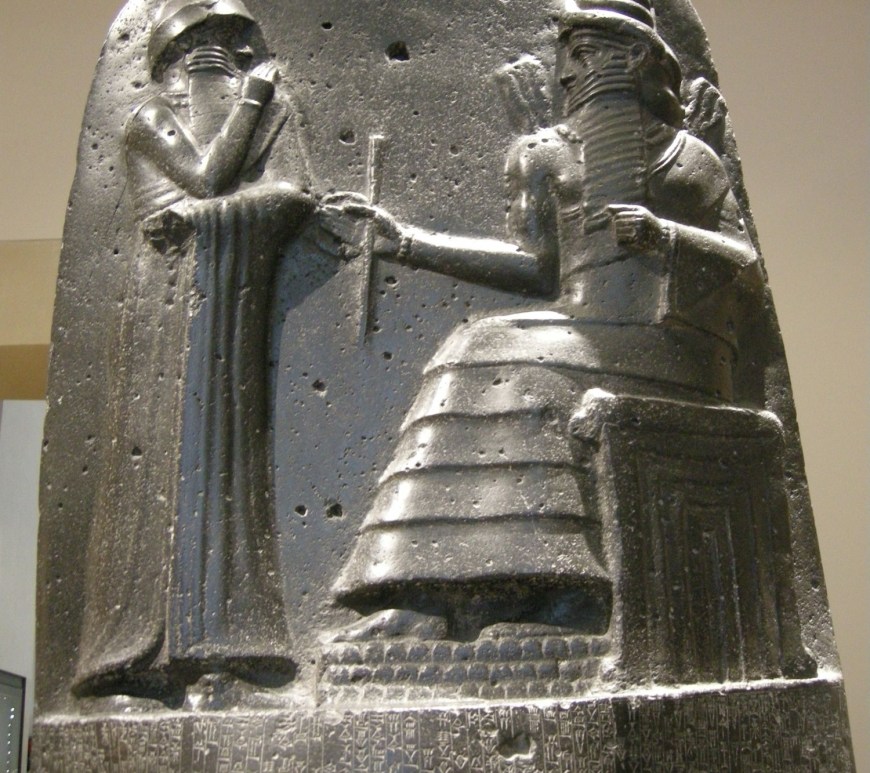
The Code of Hammurabi: Why humans have always wanted justice written down

Carved nearly 4,000 years ago, the Code of Hammurabi reveals how ancient Babylon tried to define justice, responsibility, punishment, and power in writing. Continue reading The Code of Hammurabi: Why humans have always wanted justice written down

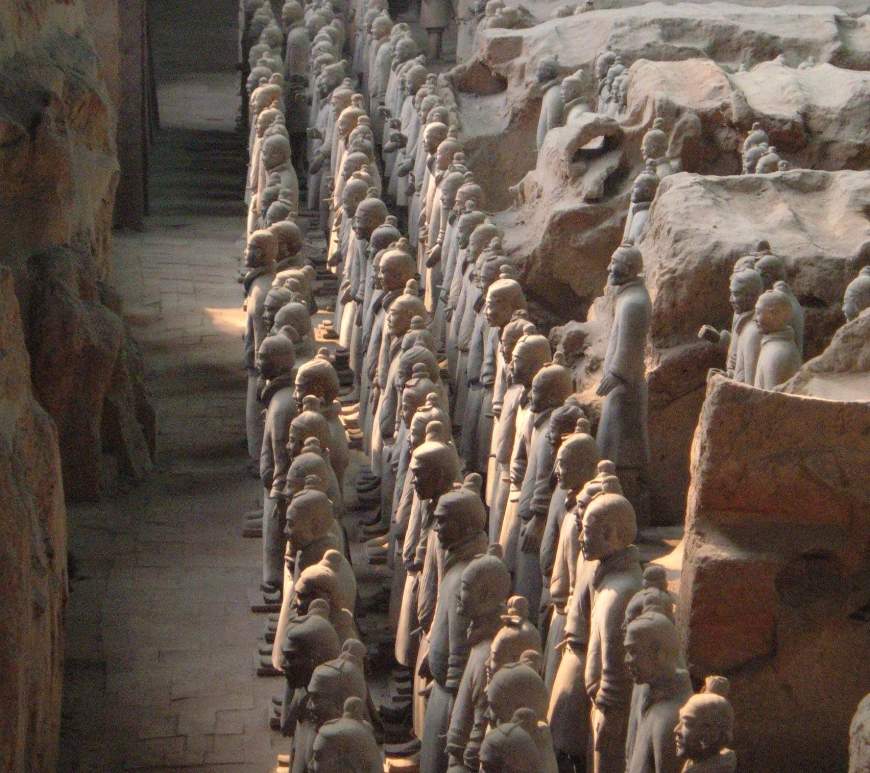
The Terracotta Army: The emperor who tried to rule the afterlife

Buried for more than 2,000 years, the Terracotta Army was built to protect China’s first emperor in the afterlife. But beneath the clay soldiers lies a deeper question: what do we build because we are afraid to be forgotten? Continue reading The Terracotta Army: The emperor who tried to rule the afterlife

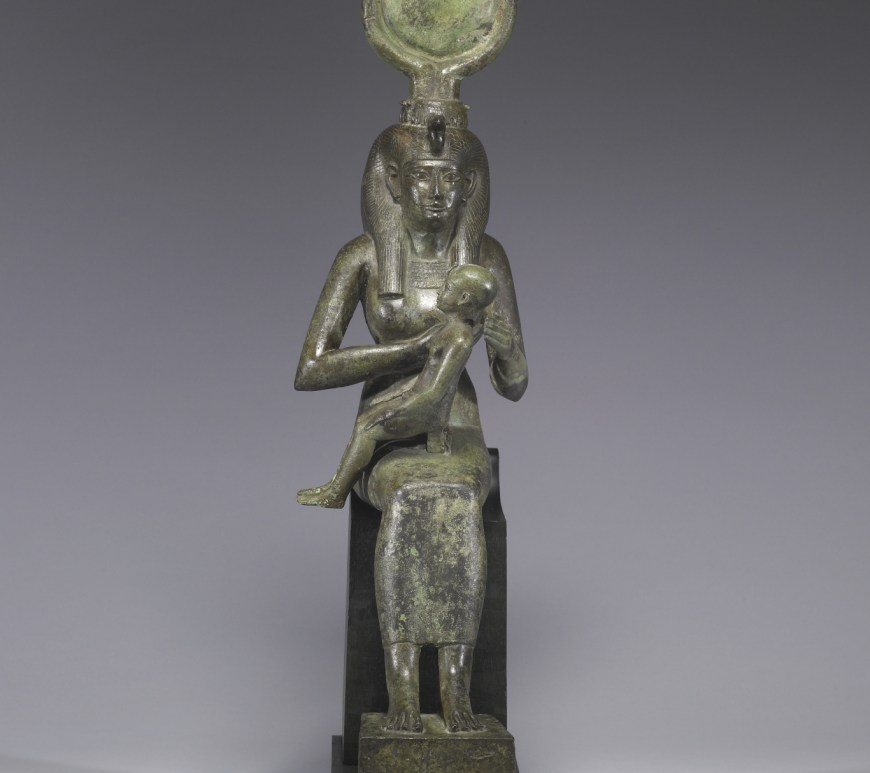
Mothers of the Ancient World: How Civilizations Honoured Creation, Protection, and Power

Ancient civilizations told powerful stories about mothers as creators, protectors, mourners, queens, and goddesses. Continue reading Mothers of the Ancient World: How Civilizations Honoured Creation, Protection, and Power

The Sea Peoples: The Mysterious Raiders Who Helped End the Bronze Age

Around 1200 BCE, the ancient world began to fall apart. Great cities burned. Empires weakened. Trade routes broke down. Writing systems disappeared in some regions. Powerful kingdoms that had seemed permanent suddenly became fragile. And somewhere in the chaos, ancient records mention a terrifying group of outsiders arriving by land and sea. They are known today as the Sea Peoples. But who were they? Raiders? … Continue reading The Sea Peoples: The Mysterious Raiders Who Helped End the Bronze Age

The Mycenaean legacy: how Greece remembered itself

In the Bronze Age, around 1600 to 1100 BCE, Greek speakers lived in palace centers like Mycenae, Pylos, Knossos, and Thebes. They recorded their acts in clay using Linear B — inventories, offerings, lists of labor. On those tablets we find familiar names: Zeus, Poseidon, and a title like Potnia. The voice of later Greeks did not begin with Homer; it echoes the voice of … Continue reading The Mycenaean legacy: how Greece remembered itself

Easter’s Ancient Roots: How Old Traditions Shaped Modern Celebrations

Easter today is known for egg hunts, chocolate bunnies, and family gatherings. But beneath these familiar symbols lie much older, fascinating traditions stretching back thousands of years—far before Christianity itself. So where exactly do Easter’s ancient roots lead us? Let’s take a quick journey back to discover how springtime traditions from ancient civilizations became the holiday we celebrate today. From Ostara to Easter Long before … Continue reading Easter’s Ancient Roots: How Old Traditions Shaped Modern Celebrations

The Walls of Jericho: Was the Bible Right All Along?

We’ve all heard the phrase: “the walls came tumbling down.” But did they? And if so, how? The ancient city of Jericho, located in the West Bank near the Jordan River, is one of the oldest continuously inhabited cities on Earth. For decades, archaeologists and theologians have debated whether its famous walls truly collapsed as described in the Bible—or if something else entirely brought them … Continue reading The Walls of Jericho: Was the Bible Right All Along?

Petra: The Forgotten City Carved from Stone

Hidden in the red sandstone cliffs of southern Jordan lies Petra, an ancient city so stunning and mysterious it was once believed to be the work of giants or gods. With temples carved directly into the rock and a history that spans centuries of trade, religion, and empire, Petra is one of the ancient world’s greatest architectural and cultural feats. But who really built Petra? … Continue reading Petra: The Forgotten City Carved from Stone