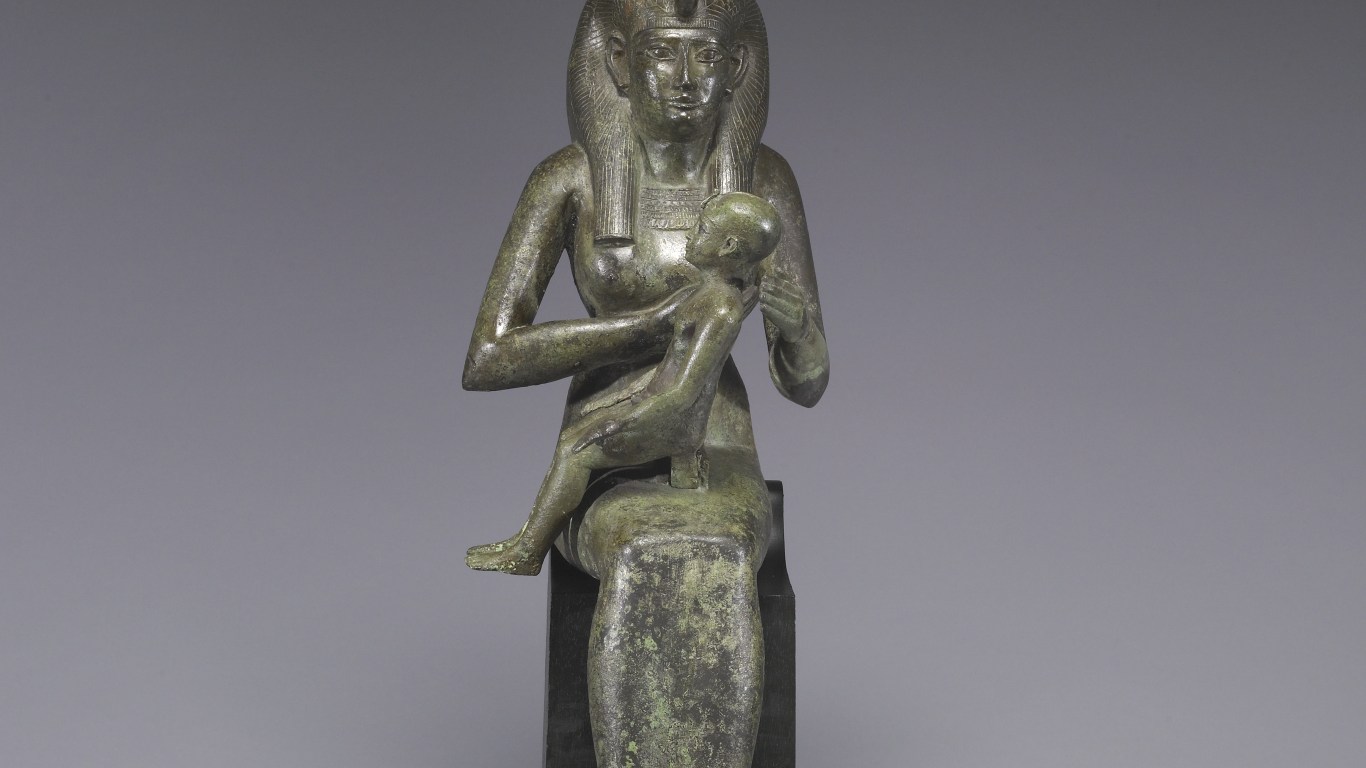
Before Mother’s Day cards, flower deliveries, and family brunches, ancient civilizations were already telling stories about mothers.
Not just as caregivers, but as creators.
- Protectors.
- Mourners.
- Queens.
- Goddesses.
For thousands of years, cultures around the world used motherhood to explain some of life’s deepest mysteries: where life comes from, why the seasons change, how families survive, and what it means to protect someone even when the world is dangerous.
Motherhood in the ancient world was not always soft or sentimental. It could be fierce, sacred, political, and powerful.
So today, as we honour mothers and mother figures, let’s travel back and explore how ancient civilizations understood the force of motherhood.
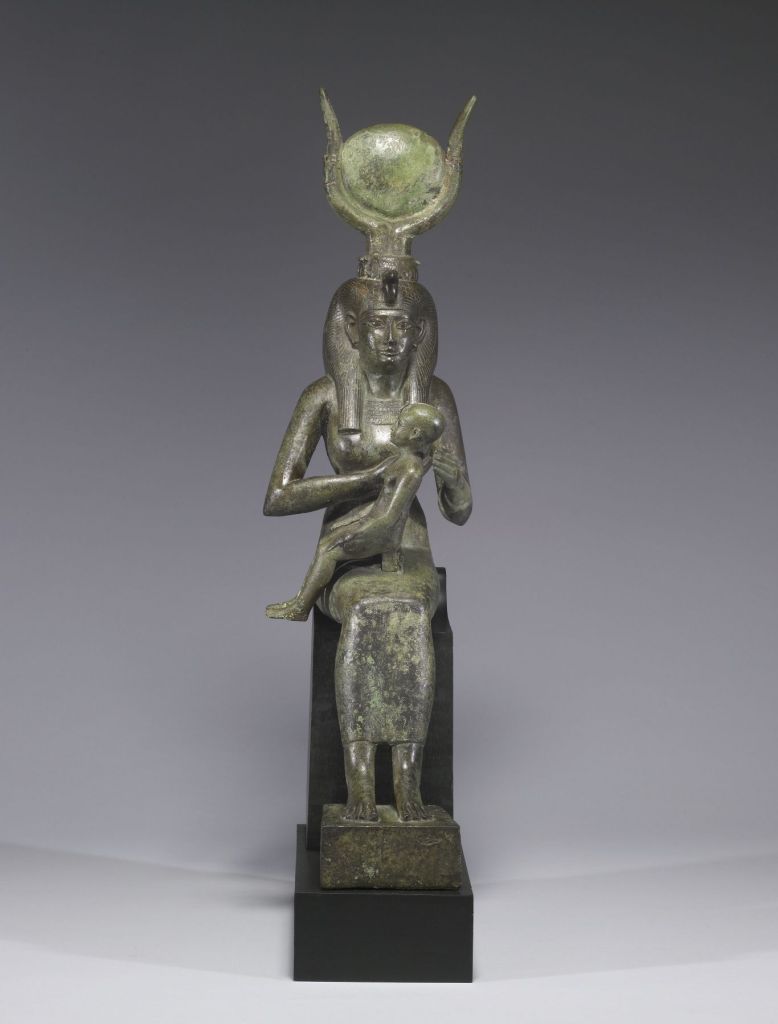
Isis: The Mother Who Protected a God
In ancient Egypt, few goddesses became as beloved as Isis.
She was a goddess of magic, protection, healing, mourning, and motherhood. In Egyptian myth, Isis was the wife of Osiris and the mother of Horus. After Osiris was killed, Isis searched for him, mourned him, restored him, and protected their son Horus until he could claim his place. Britannica describes Isis as one of ancient Egypt’s most important goddesses, associated with powerful magic, protection, and the divine family of Osiris and Horus.
That image mattered.
Isis was not only a mother because she gave birth. She was a mother because she guarded life against chaos. She represented the kind of love that watches, heals, hides, defends, and refuses to give up.
To the ancient Egyptians, motherhood could be divine protection in human form.
Demeter: The Mother Whose Grief Changed the Seasons
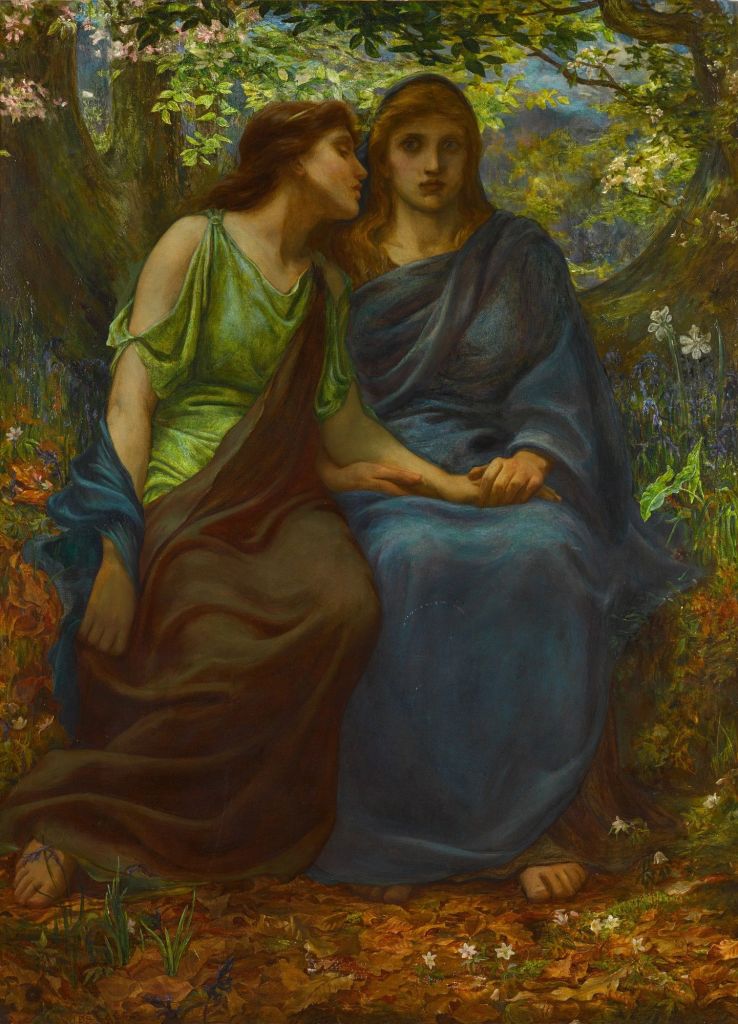
In ancient Greece, Demeter was the goddess of agriculture and grain. But her most famous story is not simply about farming. It is about loss.
Her daughter Persephone was taken to the underworld by Hades. In her grief, Demeter withdrew her gifts from the earth. Crops failed. Growth stopped. The world became barren until Persephone’s return allowed life to bloom again. Britannica identifies Demeter as the Greek goddess of agriculture and Persephone as her daughter, whose story was closely tied to the cycle of the seasons.
This myth gave the Greeks a way to understand winter and spring, but it also gave emotional weight to the bond between mother and child.
Demeter’s grief was not treated as small.
It shook the world.
That is one reason the story still resonates. It understood something deeply human: when a mother loses a child, the whole world can feel changed.
Cybele: The Great Mother of the Gods
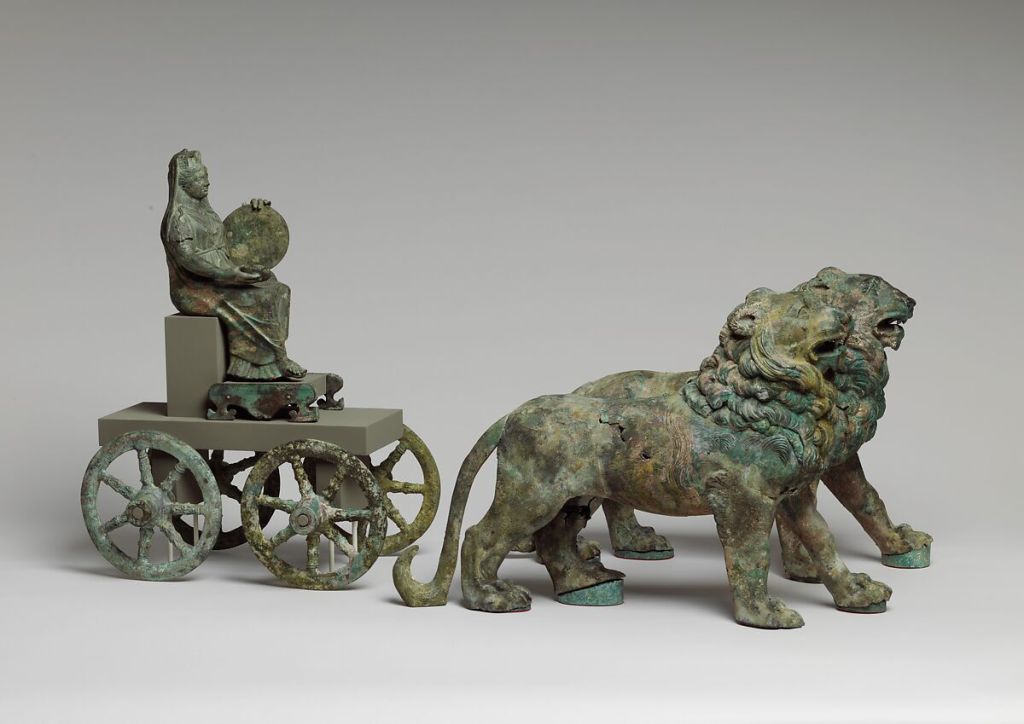
In Anatolia and later the Greek and Roman worlds, people worshipped Cybele, often known as the Great Mother.
She was associated with mountains, wild nature, fertility, protection, and divine power. Her worship spread widely, and in Rome she became known as Magna Mater, the Great Mother of the Gods. Britannica notes that Cybele was known in Greek and Roman literature from about the 5th century BCE onward, and that her official Roman name was Mater Deum Magna Idaea, meaning Great Idaean Mother of the Gods.
Cybele was not a quiet household figure.
She was vast, ancient, and untamed.
Her motherhood was cosmic. She represented the land, the mountains, animals, fertility, and the raw energy of life itself. In her, motherhood became something bigger than family. It became the force that holds nature together.
Mothers, Queens, and the Survival of Dynasties
Motherhood in the ancient world was not only religious. It was political.
Royal mothers often played important roles in protecting heirs, preserving bloodlines, arranging alliances, and shaping dynastic power. A king’s mother could hold enormous influence, especially when her son was young, vulnerable, or newly crowned.
In many ancient societies, motherhood was tied to inheritance, legitimacy, and continuity.
A mother could be a private figure within the household, but she could also be a public force behind the throne.
This reminds us that ancient motherhood was never only one thing. It could mean tenderness, duty, strategy, grief, influence, and survival all at once.
The Ancient Mother Was Not Always Gentle
Modern celebrations of motherhood often focus on warmth, sacrifice, and care. Those things matter. But ancient stories also preserved a more complex image.
The ancient mother could be:
- a healer,
- a protector,
- a mourner,
- a ruler,
- a fertility figure,
- a force of nature,
- a guardian of the dead,
- or the reason the seasons changed.
These stories did not reduce motherhood to one emotion. They recognized its power.
Motherhood could comfort, but it could also command.
It could nurture, but it could also defend.
It could create life, but also stand between life and destruction.
Why These Stories Still Matter
We may no longer explain spring through Demeter’s grief or protection through Isis guarding Horus, but the ideas behind these stories have not disappeared.
We still associate motherhood with creation, care, memory, protection, and sacrifice.
We still understand that mothers and mother figures shape families, communities, and futures in ways that are not always visible from the outside.
And we still return, year after year, to honour them.
Not because the tradition is new.
But because the feeling is ancient.
Final Thought
Ancient civilizations looked at motherhood and saw something sacred.
They saw the beginning of life, the pain of loss, the strength of protection, and the power to hold families and societies together.
From Isis guarding Horus, to Demeter searching for Persephone, to Cybele standing as the Great Mother of gods and nature, these stories remind us that motherhood has always carried meaning far beyond one day on the calendar.
And now it’s your turn.
Which ancient mother figure speaks to you most? Do you see echoes of these old stories in how we honour mothers today?
Share your thoughts in the comments, and follow The Time Traveller’s Diary for more strange discoveries, historical anomalies, and forgotten clues from the past.
Discover more from The Time Traveller's Diary
Subscribe to get the latest posts sent to your email.
