Long before smartphones, streaming services, video games, and endless scrolling, people still needed something to do at the end of the day.
They gathered around boards.
They rolled dice.
They moved pieces.
They gambled, strategized, laughed, argued, and probably accused each other of cheating.
In other words, ancient people were not so different from us.
Across Mesopotamia, Egypt, China, India, and the Americas, board games were more than simple entertainment.
They reflected how people thought about luck, war, death, strategy, status, and the unseen forces that shaped their lives.
So let’s take a journey through some of the oldest games in human history, and see what they reveal about the people who played them.
The Royal Game of Ur: Mesopotamia’s Ancient Race Game
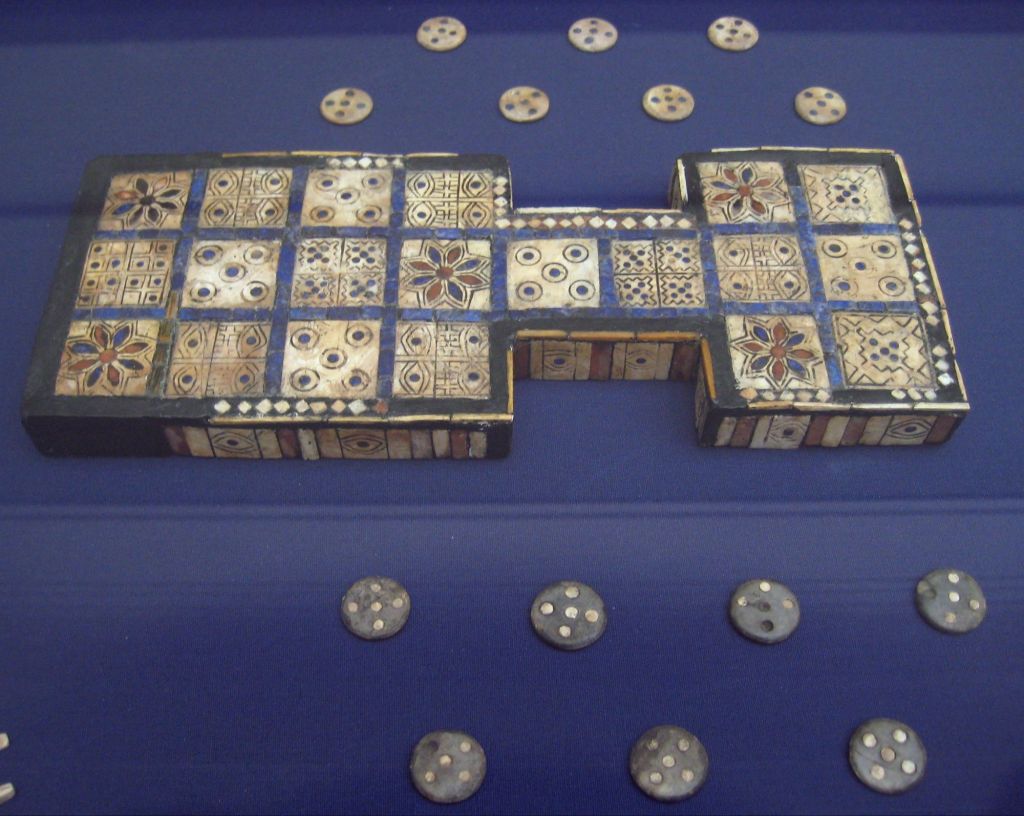
One of the most famous ancient board games ever found is the Royal Game of Ur, discovered in the royal cemetery of Ur in modern Iraq.
Dating back more than 4,000 years, this beautifully decorated board game was played with small pieces and dice-like objects. It appears to have been a race game, where players moved pieces along a track and tried to get them safely to the end before their opponent.
That may sound simple, but anyone who has played a game involving luck and strategy knows how quickly things can get personal.
What makes the Royal Game of Ur especially fascinating is that scholars have been able to partially reconstruct its rules from an ancient cuneiform tablet. That means a game once played in Mesopotamian homes and courts can still be played today.
Imagine that.
A person from ancient Ur and a person sitting at a kitchen table today could understand the same basic feeling: one lucky roll can change everything.
Senet: Egypt’s Game of Life, Death, and the Afterlife
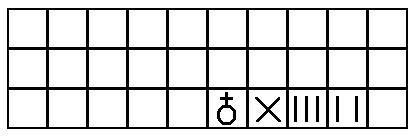
In ancient Egypt, one of the most beloved games was Senet.
At first glance, Senet looks like a board game of movement and chance. Players moved pieces across a grid, trying to reach the end. But over time, Senet became more than a pastime. It took on spiritual meaning.
To the Egyptians, the journey across the board could represent the soul’s journey through the afterlife. The game became connected with fate, transformation, and the hope of reaching a blessed existence beyond death.
This is what makes Senet so powerful.
It reminds us that games can carry meaning far beyond entertainment.
They can become symbols of how a culture understands life itself.
For the Egyptians, a board game was not just a way to pass time.
It could be a map of eternity.
Go: The Ancient Strategy Game That Still Survives
Some ancient games disappeared. Others changed beyond recognition.
But Go is different.
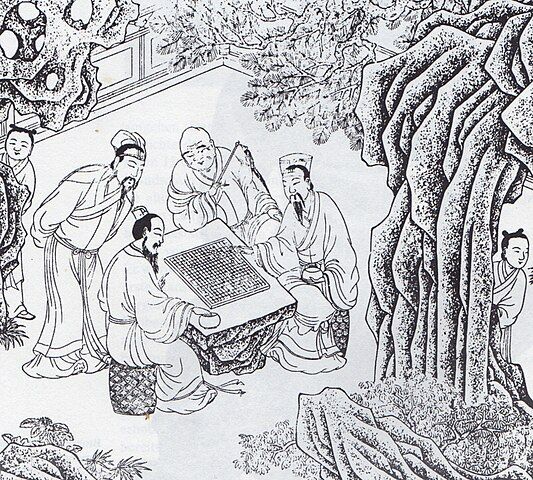
Originating in ancient China, Go remains one of the world’s most respected strategy games. Its rules are simple: players place black and white stones on a grid, trying to control territory. But the strategy is incredibly deep.
There are no armies marching across the board. No kings to capture. No dice to blame.
Just space, patience, influence, and quiet pressure.
Go reflects a different kind of thinking. It is less about immediate attack and more about balance, positioning, and long-term planning. A single move can shape the future of the board many turns later.
In that sense, Go feels almost philosophical.
It asks players to think not only about what they want now, but what the board may become.
Chaturanga: The Ancient Ancestor of Chess
If Go is about territory and patience, Chaturanga is about war.
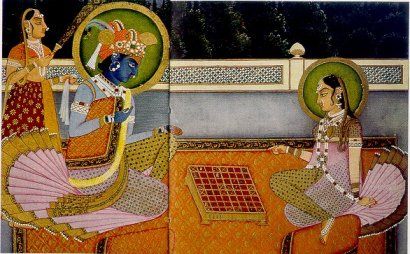
Developed in ancient India, Chaturanga is widely considered an early ancestor of modern chess. Its pieces represented parts of an army: infantry, cavalry, elephants, chariots, and a king.
Over time, the game spread into Persia, the Islamic world, and eventually Europe, changing as it moved. The pieces evolved. The rules shifted. The names changed.
But the heart of the game survived.
Chess, like Chaturanga before it, turns conflict into thought. It transforms battle into strategy. It allows players to test foresight, sacrifice, pressure, and patience without bloodshed.
That may be one reason games like this endure.
They let us practice power without destroying anything.
Well, except maybe a friendship or two after a bad checkmate.
Patolli: Gambling, Fate, and the Gods
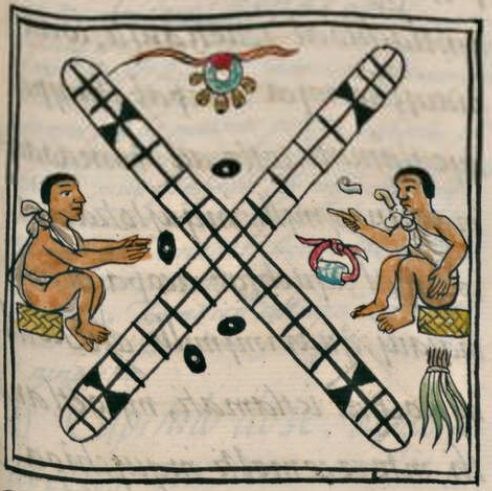
In Mesoamerica, the game Patolli was played by peoples including the Aztecs.
This was not just casual fun. Patolli involved gambling, movement around a cross-shaped board, and strong religious associations. Players could wager goods, blankets, precious items, or even more personal stakes.
The game was linked with chance and divine influence, reminding us that in many cultures, games were not separated from belief.
Luck was not always seen as random.
Sometimes, it was the will of the gods.
That idea may feel distant now, but maybe not entirely. Even today, when dice roll the wrong way, people still groan at the universe like it personally betrayed them.
Why Ancient Games Still Matter
Ancient games remind us that play is not trivial.
Play teaches strategy. It builds social bonds. It reveals how people think about risk, luck, fairness, fate, and competition.
A board game can show us what a culture valued.
The Royal Game of Ur shows the tension between luck and planning.
Senet shows the connection between play and the afterlife.
Go shows patience, balance, and long-term strategy.
Chaturanga shows how warfare became abstract thought.
Patolli shows how gambling, religion, and fate could sit at the same table.
These games were not distractions from civilization.
They were part of civilization.
The Ancient Need to Play
It is easy to think of ancient people as always farming, fighting, building, or praying. But they were human.
They had downtime.
They had friends.
They got bored.
They wanted to win.
They wanted to test themselves.
They wanted to laugh when someone else made a terrible move.
Across thousands of years, that part of us has not changed much.
The materials are different now. Our boards may glow. Our opponents may be online. Our dice may be digital. But the urge is ancient.
We play because we are human.
Final Thought
Ancient board games give us one of the most relatable windows into the past.
They remind us that history is not only made of kings, battles, monuments, and collapses. It is also made of quiet rooms, shared laughter, lucky rolls, careful moves, and people leaning over a board, hoping their next decision will be the right one.
And now it’s your turn.
What is your favourite board game, and do you think ancient players would have understood the appeal?
Share your thoughts in the comments, and follow The Time Traveller’s Diary for more strange discoveries, historical anomalies, and forgotten clues from the past.
- The Code of Hammurabi: Why humans have always wanted justice written down
- Mansa Musa: The king so rich he put Mali on the map
- The Nazca Lines: Ancient Art, Sacred Paths, or Messages to the Sky?
- The Rosetta Stone: The ancient key that let us hear Egypt again
Discover more from The Time Traveller's Diary
Subscribe to get the latest posts sent to your email.
