When modern headlines turn to oil prices, shipping lanes, and narrow waterways like the Strait of Hormuz, it can feel like a very modern problem.
But it isn’t.
Long before tankers, container ships, pipelines, and global markets, ancient civilizations were already living with the same basic truth:
Control the route, and you control the world around it.
From the Nile to the Bosporus, from the Red Sea to the Mediterranean grain routes, ancient empires rose by mastering movement. Food, metals, soldiers, spices, ideas, and wealth all depended on narrow passages and fragile networks.
And when those routes failed, civilizations could tremble.
The Ancient World Was More Connected Than We Think
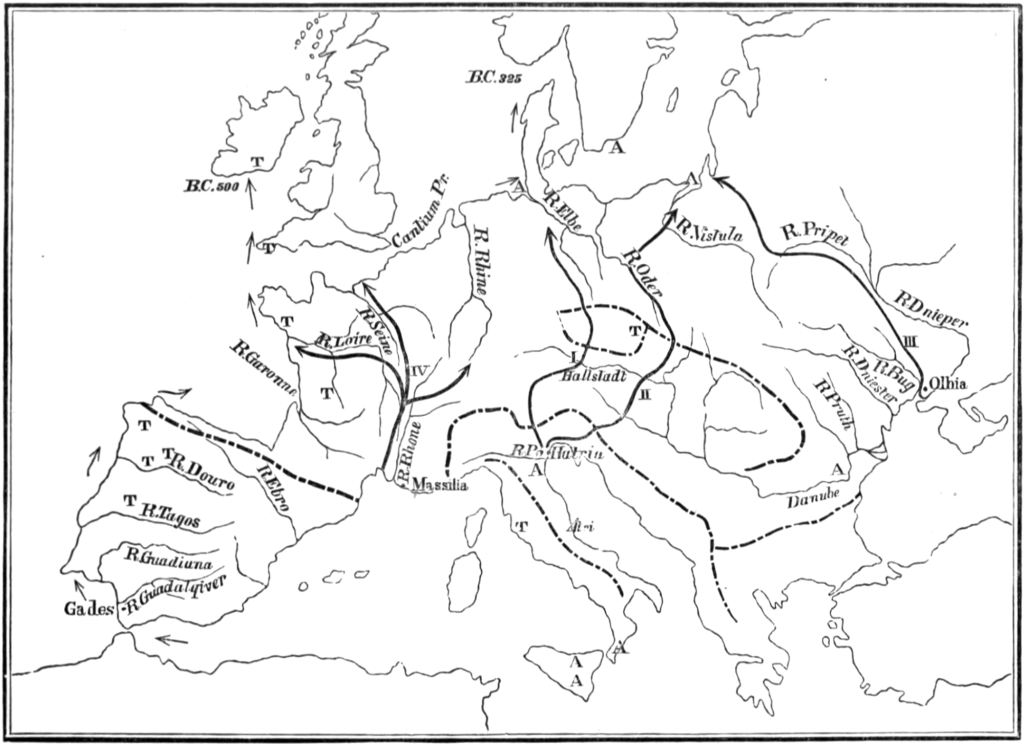
It is easy to imagine ancient civilizations as isolated kingdoms, each living mostly on its own. But the ancient world was deeply connected.
Egypt needed grain, timber, metals, and military access.
Rome depended on Mediterranean shipping to feed its enormous population.
Mesopotamian cities imported materials they lacked, including stone, metals, and luxury goods.
Bronze Age societies needed copper and tin, often from faraway regions, just to make the tools and weapons that powered their world.
In other words, ancient civilization was not just built on kings and armies. It was built on movement.
Trade routes were the bloodstream of the ancient world.
The Nile: Egypt’s Lifeline
For ancient Egypt, the Nile was more than a river. It was a highway, a food source, a calendar, and a sacred force all at once.
The river carried grain, stone, soldiers, officials, and building materials through the heart of Egypt. Without the Nile, there is no Great Pyramid, no grand temples, no powerful pharaohs ruling from a stable agricultural base.
The Nile made Egypt rich, but it also created dependence.
A bad flood could mean famine. A disrupted route could slow construction, weaken control, and strain the state. Egypt’s greatness came from mastering the river, but its vulnerability came from needing it so completely.
That is the first lesson of ancient chokepoints:
The route that makes you powerful can also make you fragile.
The Bosporus and Dardanelles: The Gates Between Worlds
Some places matter because of where they sit.
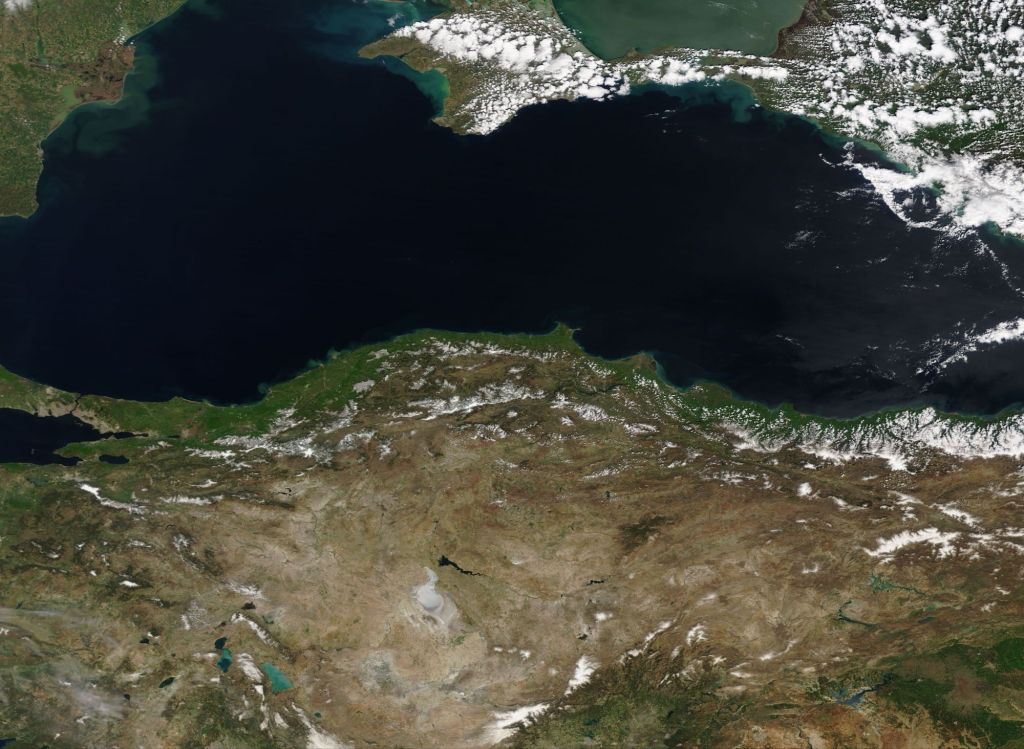
The Bosporus and Dardanelles connect the Black Sea to the Mediterranean. For thousands of years, whoever influenced these waters could shape trade between Europe and Asia.
Grain, timber, fish, metals, and people moved through these narrow passages. Later, cities like Byzantium and Constantinople would become powerful partly because they sat at one of the most important crossroads in the world.
This was not just geography. It was destiny.
A city placed at the right chokepoint could tax goods, control movement, build wealth, and survive for centuries.
But it also became a target.
The more important the route, the more others wanted it.
Rome and the Grain Routes
Rome is often remembered for its legions, roads, and laws. But beneath all of that was a simpler need:
Rome had to eat.
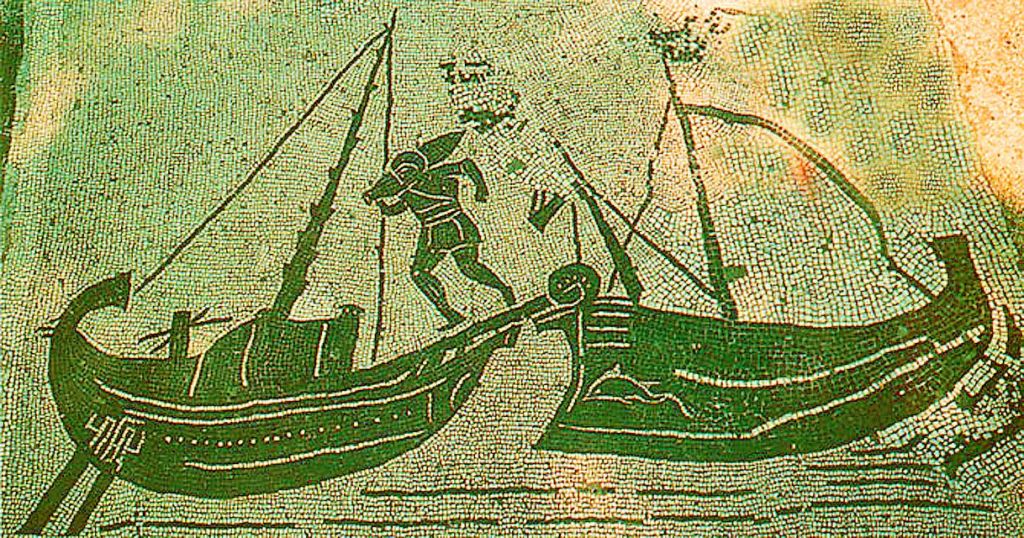
As the city grew, it depended heavily on grain shipped from places like Egypt, North Africa, Sicily, and other Mediterranean regions. The sea routes feeding Rome were essential to political stability.
A hungry city was a dangerous city.
Roman leaders understood that controlling the grain supply was not just an economic issue. It was a matter of public order, power, and survival. If food stopped flowing, unrest could follow quickly.
This sounds surprisingly modern.
A supply chain does not need to collapse completely to cause fear. Sometimes even the threat of disruption is enough.
The Red Sea and the Incense Routes
Not all ancient trade was about food and survival. Some routes carried luxury, faith, and status.
The incense routes connected southern Arabia with Egypt, the Levant, and the Mediterranean world. Frankincense and myrrh were not just pleasant-smelling goods. They were used in temples, burials, medicine, and elite rituals.
To control these routes was to control wealth.
Caravans crossed deserts. Ships moved along coastlines. Ports rose in importance because they connected distant worlds.
These ancient routes show us that trade is never just about objects. It is about desire, belief, and power.
People will go to astonishing lengths to move what they value.
When Routes Break, Worlds Shake
The Bronze Age Collapse, which we explored in the Sea Peoples post, is a powerful example of what can happen when interconnected systems begin to fail.
- Trade routes broke down.
- Cities lost access to materials.
- Palaces burned.
- People moved.
- Empires weakened.
No single cause explains everything, but disrupted movement was part of the disaster. If tin, copper, grain, soldiers, and messages could no longer move reliably, the system itself became unstable.
That is why chokepoints matter.
They are small places with enormous consequences.
Why This Feels So Familiar Today
When modern people worry about shipping lanes, oil routes, blocked canals, port delays, or supply shortages, we are not facing a new kind of anxiety. We are feeling an ancient one in modern clothing.
The ancient world knew this fear.
What happens if the grain ships do not arrive?
What happens if the river fails?
What happens if the pass is blocked?
What happens if enemies control the route?
The tools have changed. The ships are bigger. The markets move faster. But the core question remains the same:
How stable is a civilization when so much depends on narrow paths it does not fully control?
Final Thought
Ancient chokepoints remind us that geography has always shaped history.
Empires were not built only by ambition. They were built by rivers, roads, harbours, straits, and the people who understood how to use them.
But the same routes that made civilizations wealthy also made them vulnerable. A blocked passage, a failed harvest, a lost port, or a broken trade network could send shockwaves far beyond the place where the problem began.
And now it’s your turn.
Do you think modern civilization is more resilient than the ancient world, or are we still just as dependent on fragile routes and distant supplies?
Share your thoughts in the comments, and follow The Time Traveller’s Diary for more strange discoveries, historical anomalies, and forgotten clues from the past.
- The Code of Hammurabi: Why humans have always wanted justice written down
- Mansa Musa: The king so rich he put Mali on the map
- The Nazca Lines: Ancient Art, Sacred Paths, or Messages to the Sky?
- The Rosetta Stone: The ancient key that let us hear Egypt again
Discover more from The Time Traveller's Diary
Subscribe to get the latest posts sent to your email.
