In 1324 CE, a king from West Africa set out on a pilgrimage to Mecca.
He crossed the Sahara with an enormous caravan.
- Servants.
- Officials.
- Camels.
- Gold.
So much gold, according to later accounts, that the cities he passed through remembered him for generations.
His name was Mansa Musa, ruler of the Mali Empire, and his journey became one of the most famous displays of wealth in medieval history.
But Mansa Musa’s story is bigger than gold.
He did not simply show the world that he was rich.
He made the world notice Mali.
Who was Mansa Musa?
Mansa Musa, also known as Musa I of Mali, ruled one of the most powerful empires in medieval West African history.
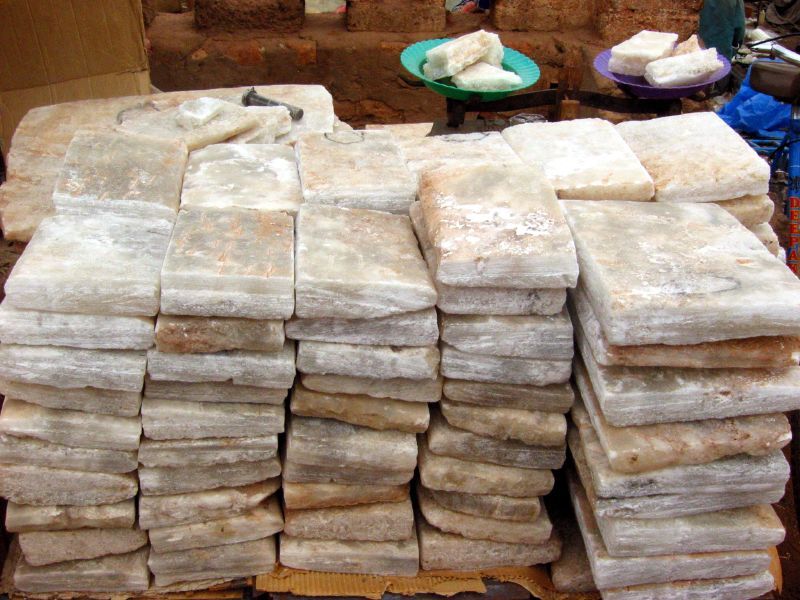
The Mali Empire grew wealthy through long-distance trade, especially in gold and salt, and controlled important routes that connected West Africa with North Africa and the wider Islamic world.
Musa came to power in the early 14th century CE. Exact dates vary depending on the source, but his reign is generally placed in the first half of the 1300s.
Britannica describes him as emperor of Mali and notes that he is best remembered for the splendour of his 1324 CE pilgrimage to Mecca.
That pilgrimage made him famous far beyond his own empire.
Before Mansa Musa, many people outside West Africa knew little about Mali.
After him, Mali became impossible to ignore.
The pilgrimage that stunned Cairo
Mansa Musa’s pilgrimage was not a quiet private journey.
It was a royal procession.
Medieval accounts describe a massive caravan travelling across the Sahara toward Egypt and then onward to Mecca. The exact numbers vary, and some may have grown in the telling, but the basic point is clear: this journey was designed to be seen.
Musa gave away gold generously as he travelled.
In Cairo, his wealth caused a sensation.
Later writers claimed that his spending and gifts affected the local value of gold for years afterward. Whether every detail is exact or exaggerated, the story captures something important: Mansa Musa’s arrival made a powerful impression. National Geographic notes that his 1324 CE hajj brought Mali to wider attention outside West Africa.
This was not only generosity.
It was diplomacy.
It was faith.
It was power made visible.
Mansa Musa was telling the world: Mali was wealthy, important, and connected.
Gold, faith, and reputation
It is easy to focus only on the gold.
That is understandable. The image is unforgettable: a ruler crossing the desert with so much wealth that foreign observers struggled to describe it.
But Mansa Musa’s pilgrimage was also an act of faith.
As a Muslim ruler, he travelled to Mecca as part of the hajj, one of the central obligations of Islam for those who are able to make the journey. His pilgrimage connected Mali more visibly to the Islamic world, opening doors for scholarship, architecture, trade, and diplomacy.
That is what makes the story more interesting than a simple “richest man ever” headline.
Mansa Musa’s wealth mattered.
But what he did with that wealth mattered too.
He used it to build reputation.
He used it to strengthen connections.
He used it to turn Mali into a name that appeared in the imagination of people far beyond West Africa.
Timbuktu: More than a city of legend
When people hear “Timbuktu” today, they sometimes think of it as a faraway place, almost mythical.
But Timbuktu was real, and it mattered.
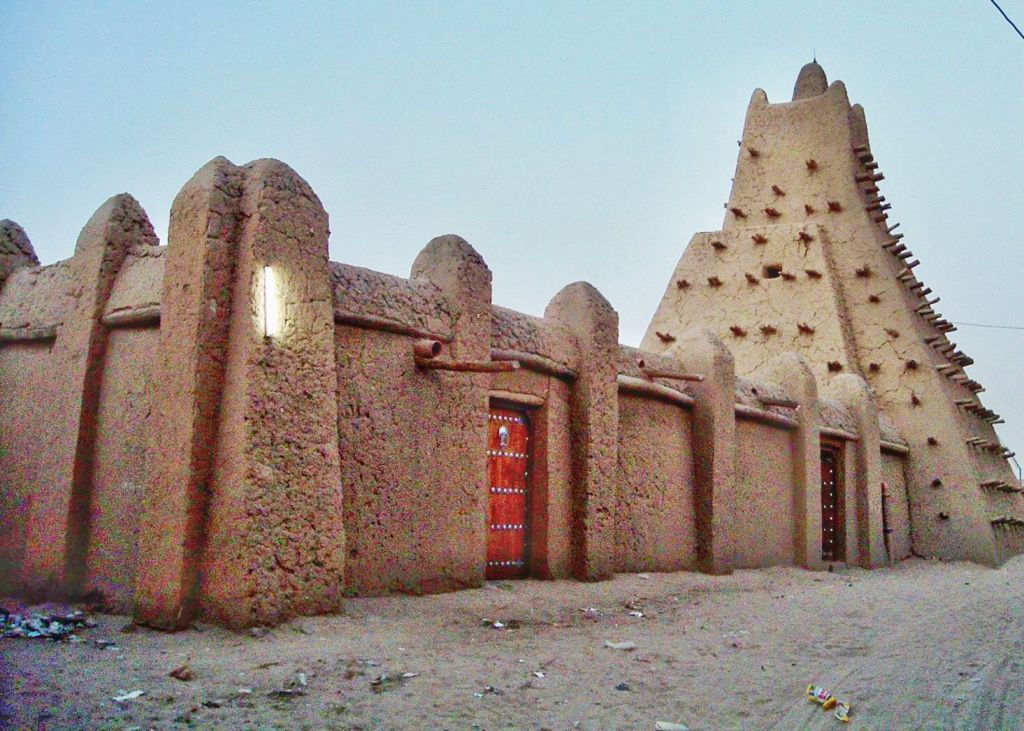
Under Mali’s influence, Timbuktu became one of the great centres of trade, learning, and Islamic scholarship in West Africa. It was connected to caravan routes across the Sahara and became associated with books, scholars, mosques, manuscripts, and intellectual life.
That part of the story is important.
Mali was not only rich because of gold.
It was rich in knowledge, movement, and exchange.
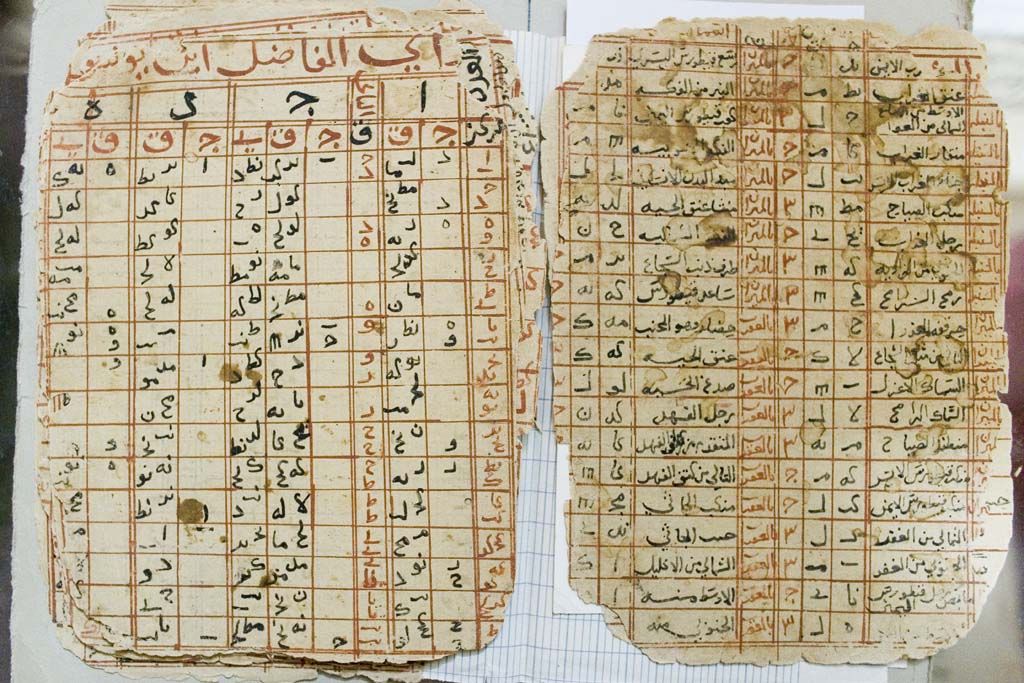
The legacy of Timbuktu’s manuscripts shows how deep that intellectual tradition ran. In 2025 CE, AP reported that historic manuscripts from
Timbuktu, some dating back as far as the 13th century CE, began returning home after years in Bamako for safekeeping following the 2012 CE occupation of Timbuktu by al-Qaida-linked militants.
That modern story reminds us that Mali’s past is not just distant history.
It is living heritage.
Something people are still protecting.
Something people are still trying to bring home.
The king on the map
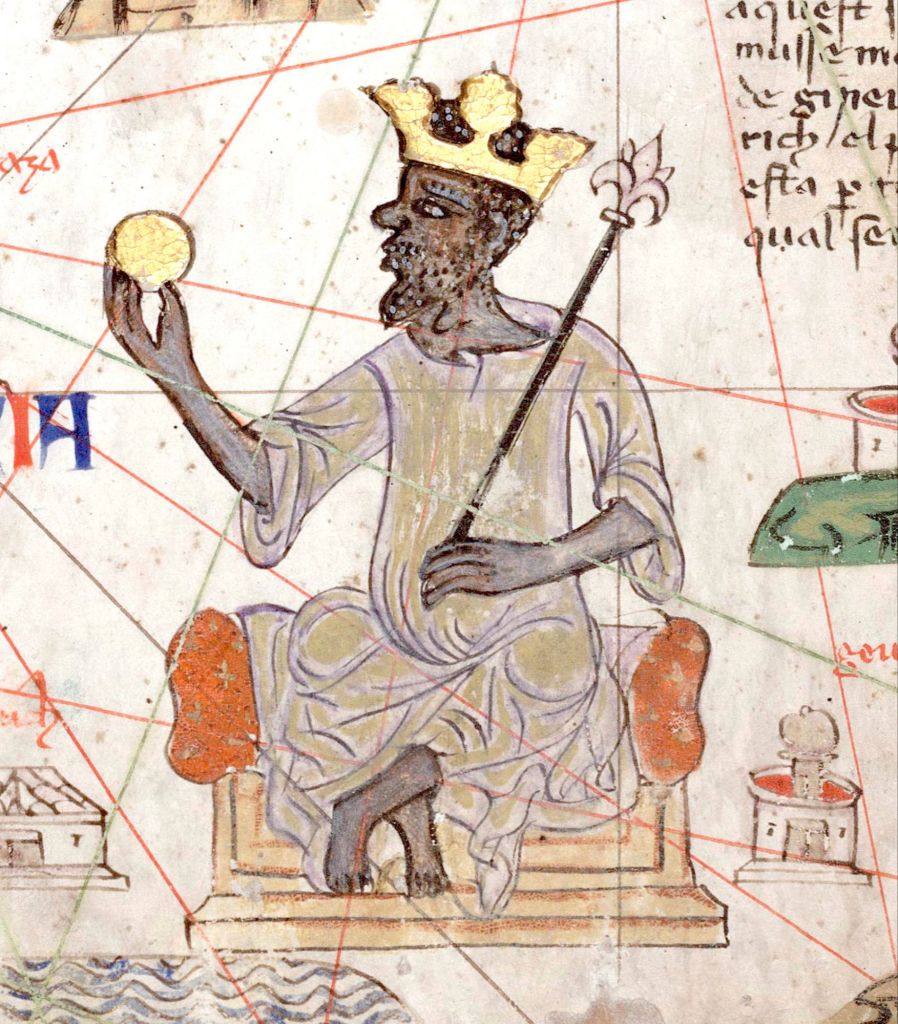
One of the most famous images of Mansa Musa appears in the Catalan Atlas, a major medieval map created in 1375 CE.
In it, Mansa Musa is shown seated as a king, holding gold. The image helped spread the idea of West Africa as a place of extraordinary wealth.
Wikimedia’s file description for the Catalan Atlas detail identifies the image as Mansa Musa sitting on a throne and holding a gold coin.
That image matters because maps are never just maps.
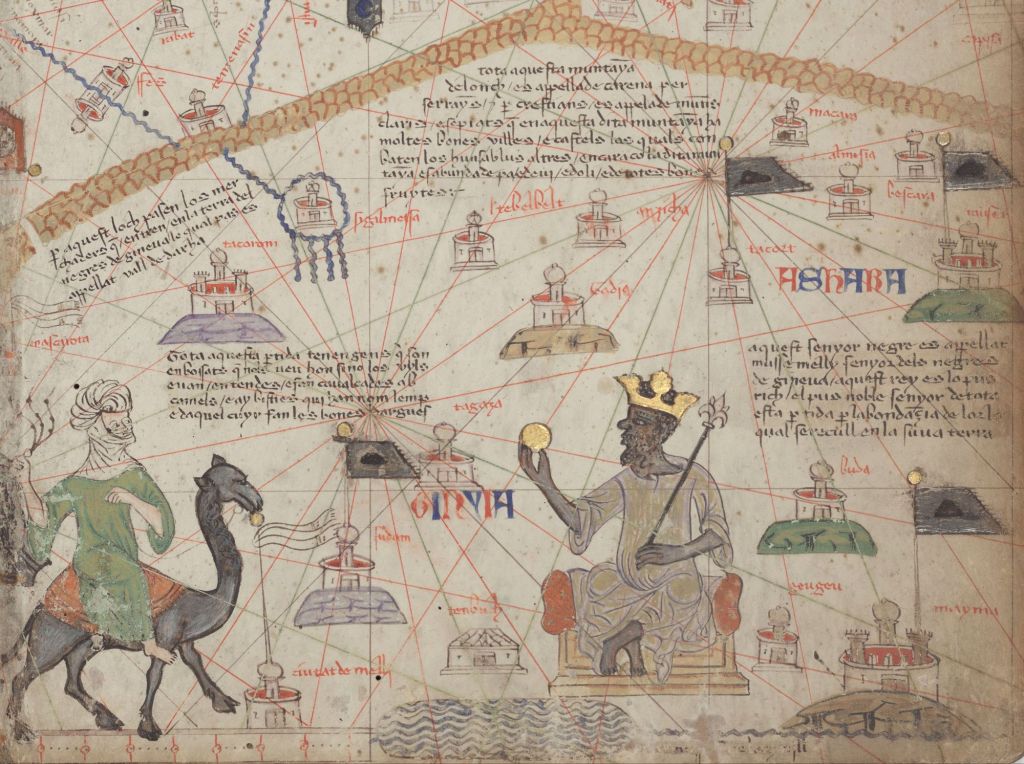
They show what people think is important.
They reveal what distant cultures imagine, fear, desire, and believe.
For medieval mapmakers, Mansa Musa became a symbol of African wealth and power. His reputation travelled far beyond him. His image entered European imagination not as a footnote, but as a king of gold.
That is how powerful the pilgrimage was.
Mansa Musa did not just travel across the world.
In a way, he entered the world’s memory.
The danger of reducing him to “the richest man ever”
Today, Mansa Musa is often described as one of the richest people in history.
That phrase gets attention.
It is clickable.
It is memorable.
But it can also flatten the story.
If we remember Mansa Musa only as a rich man, we miss the larger meaning of his reign.
He ruled an empire.
He participated in long-distance trade networks.
He strengthened Mali’s connection to the wider Islamic world.
He supported learning and religious architecture.
He became part of medieval global awareness.
His wealth was not sitting in a vault like a modern bank account. It was tied to land, labour, trade, political authority, gold production, diplomacy, and imperial power.
Calling him the richest man ever may be useful shorthand.
But it is not the whole story.
The more interesting truth is this:
Mansa Musa understood that wealth could become reputation.
And reputation could become legacy.
What his story tells us today
Mansa Musa’s story still resonates because we live in a world obsessed with wealth.
- We rank billionaires.
- We measure economies.
- We watch markets.
- We treat money as proof of importance.
But Mansa Musa’s legacy asks a better question:
What is wealth for?
- Is it only to possess?
- To display?
- To spend?
- To build?
- To connect?
- To be remembered?
Mansa Musa’s gold made people look. But Mali’s scholarship, trade, cities, and manuscripts are what make people keep looking.
That is the deeper lesson.
Wealth can create attention.
But culture creates memory.
Final thought
Mansa Musa is remembered as a king of gold, but his story is not only about gold.
It is about movement across the Sahara.
It is about faith and pilgrimage.
It is about the power of reputation.
It is about Timbuktu, learning, manuscripts, and the intellectual life of medieval West Africa.
Most of all, it is about how one journey made the wider world pay attention to an empire that had already been powerful long before outsiders fully understood it.
Mansa Musa did not just put Mali on the map.
He made people look at the map differently.
And now it’s your turn.
Do you think Mansa Musa’s greatest legacy was his wealth, his pilgrimage, or the way he made the world remember Mali?
Share your thoughts in the comments, and follow The Time Traveller’s Diary for more strange discoveries, historical anomalies, and forgotten clues from the past.
Discover more from The Time Traveller's Diary
Subscribe to get the latest posts sent to your email.
