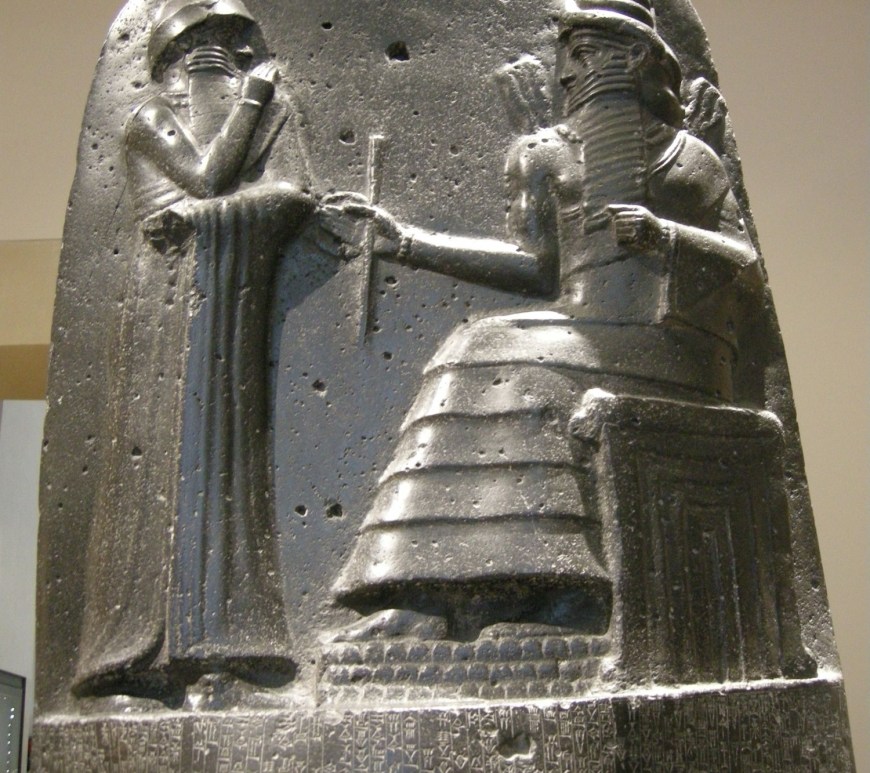
The Code of Hammurabi: Why humans have always wanted justice written down

Carved nearly 4,000 years ago, the Code of Hammurabi reveals how ancient Babylon tried to define justice, responsibility, punishment, and power in writing. Continue reading The Code of Hammurabi: Why humans have always wanted justice written down

The Mycenaean legacy: how Greece remembered itself

In the Bronze Age, around 1600 to 1100 BCE, Greek speakers lived in palace centers like Mycenae, Pylos, Knossos, and Thebes. They recorded their acts in clay using Linear B — inventories, offerings, lists of labor. On those tablets we find familiar names: Zeus, Poseidon, and a title like Potnia. The voice of later Greeks did not begin with Homer; it echoes the voice of … Continue reading The Mycenaean legacy: how Greece remembered itself