Some legends fade with time.
Others get stronger.
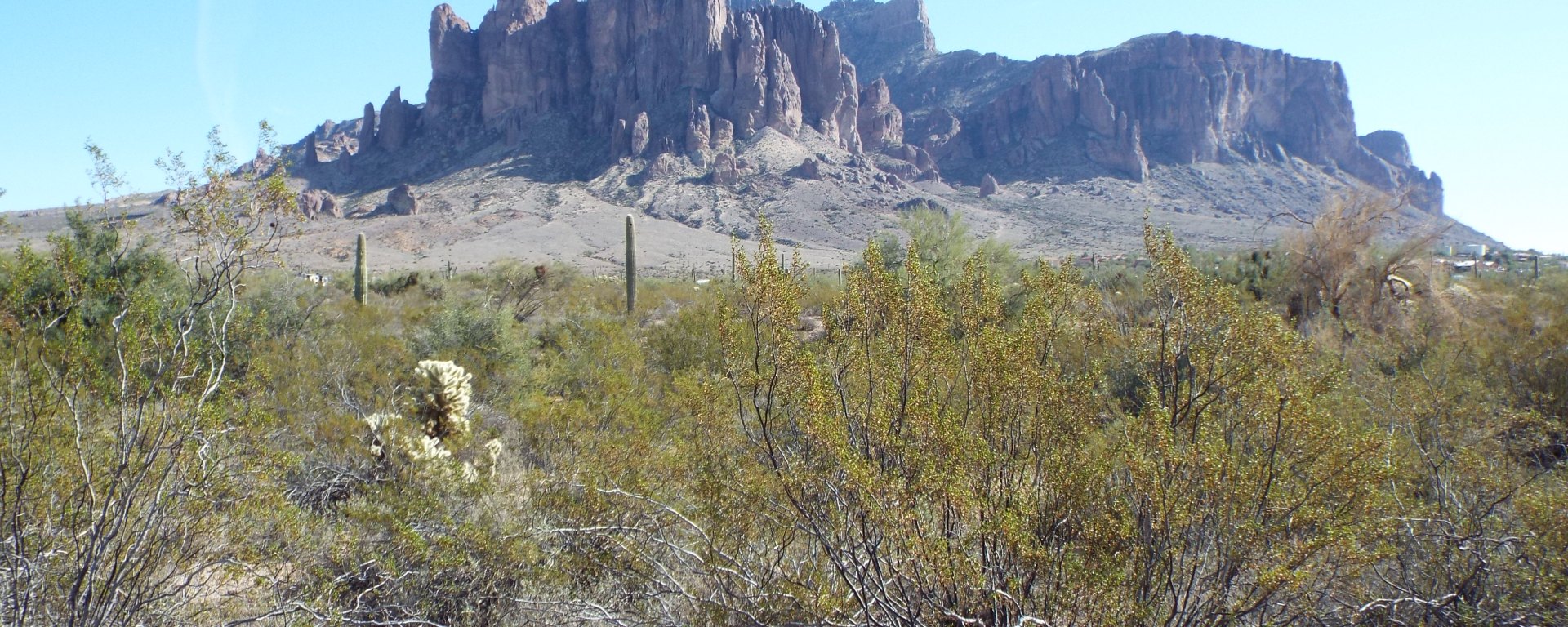
Hidden somewhere in Arizona’s rugged Superstition Mountains, one of America’s most famous lost treasures is said to be waiting: a rich gold mine known as the Lost Dutchman’s Gold Mine.
The story has everything a mystery needs.
A secretive prospector.
A hidden mine.
A dangerous mountain range.
Maps, clues, disappearances, and generations of treasure hunters convinced they were just one step away from finding it.
But was there ever a mine at all?
Or is the real treasure the legend itself?
Who was the Dutchman?
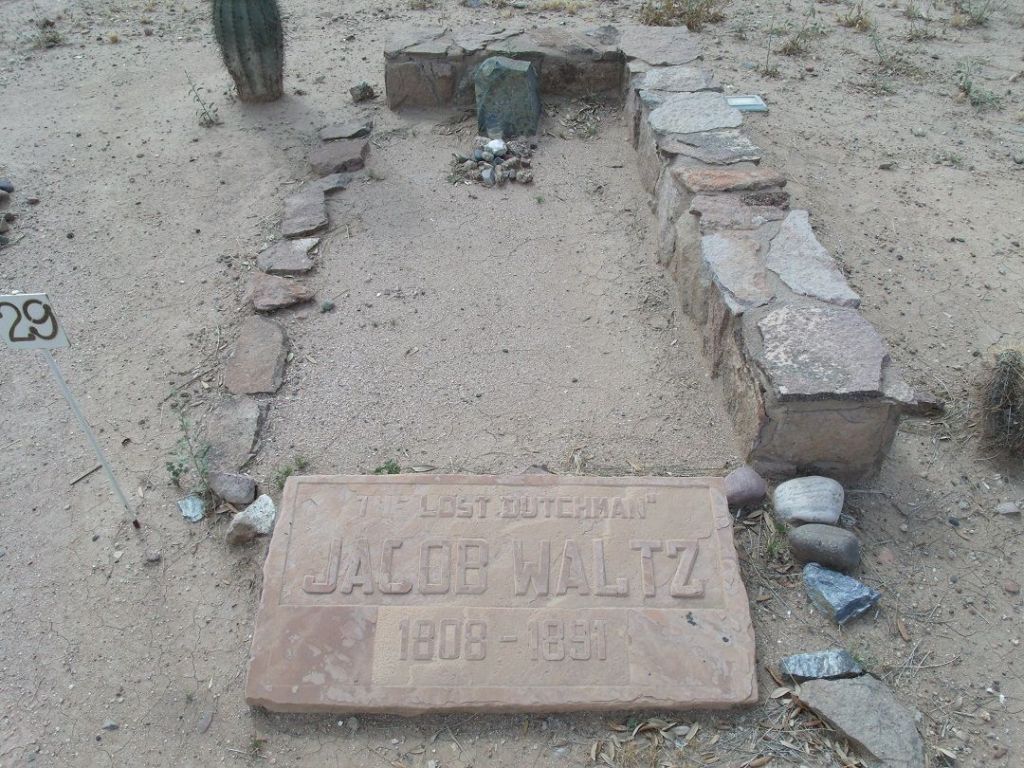
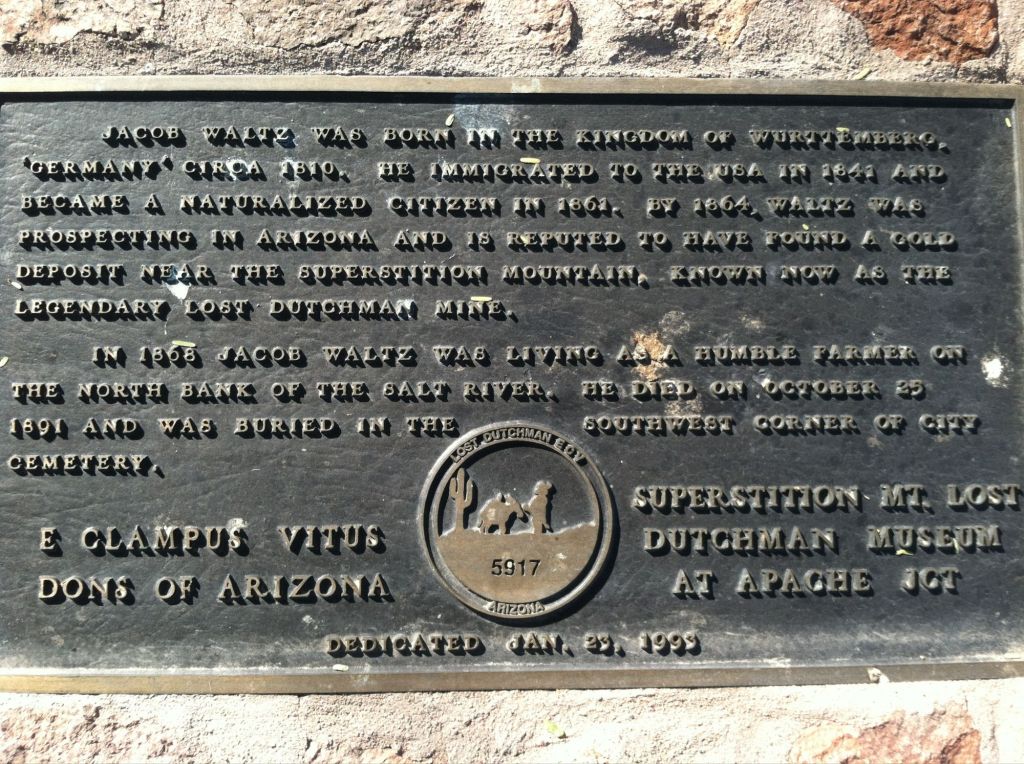
The “Dutchman” was a man named Jacob Waltz.
Despite the nickname, he was not Dutch. He was German. In the 1800s, German immigrants were sometimes called “Dutch” in America because of the word Deutsch, meaning German.
According to the legend, Waltz discovered, inherited, or gained access to an incredibly rich gold mine somewhere in the Superstition Mountains. Some versions say he found it with help from a descendant of the Peralta family. Others say he worked it with a partner. Still others claim the treasure was not a mine at all, but a hidden cache of gold.
That is part of the problem.
There is no single clean version of the story.
There are many.
And they do not all agree.
The Superstition Mountains
The setting matters.
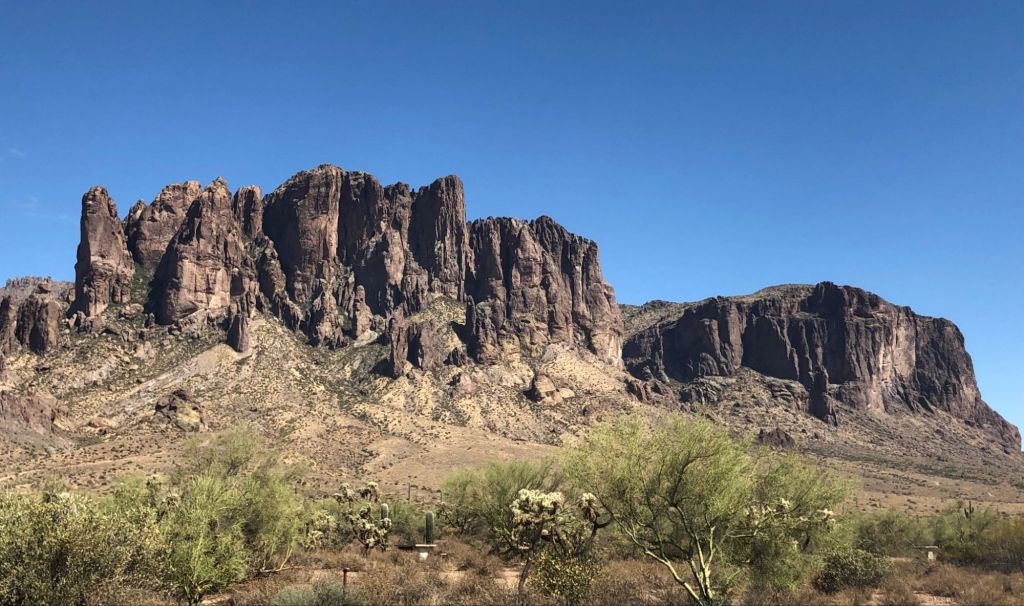
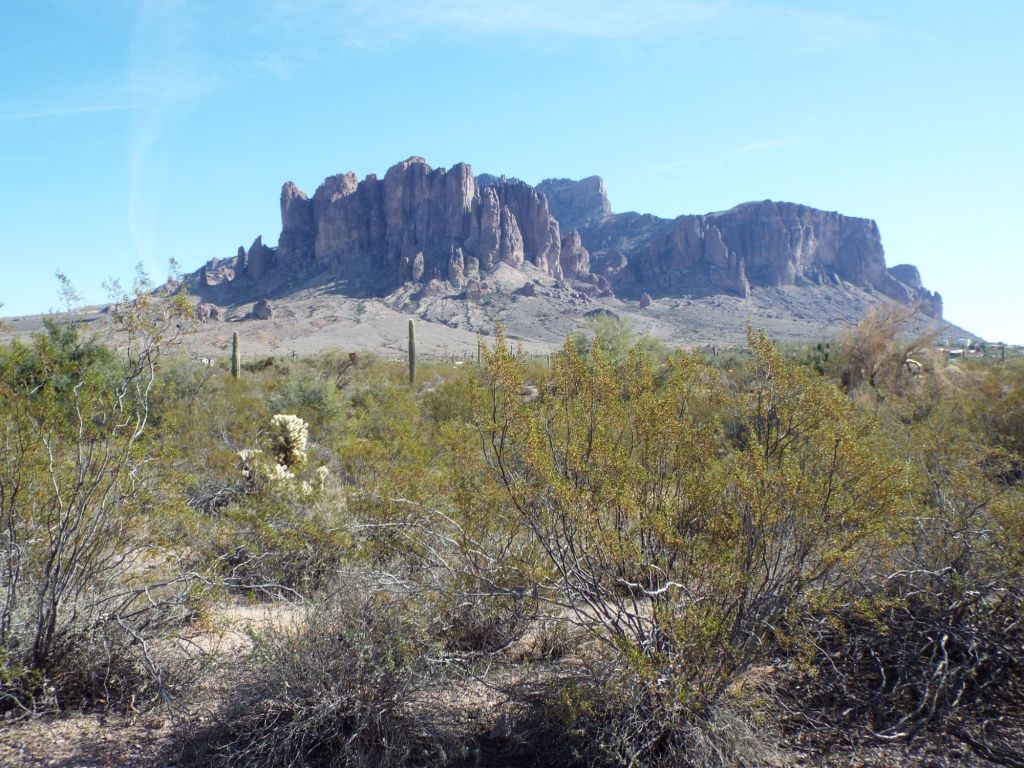
The Superstition Mountains rise east of Phoenix, Arizona. They are dramatic, jagged, and unforgiving, full of steep canyons, desert heat, sharp rock, hidden washes, and landmarks that seem made for legend.
Most versions of the Lost Dutchman story place the treasure somewhere near Weaver’s Needle, a striking rock formation that has become central to the myth.
It is the kind of landscape where a person could imagine secrets surviving.
A mine could be hidden.
A map could be misread.
A clue could mean one canyon, or another, or nothing at all.
And that uncertainty is exactly what keeps people looking.
A mine, a map, or a story?
The Lost Dutchman’s Mine is difficult to pin down because the legend appears to be a mixture of several older stories.
There are tales of Spanish or Mexican miners.
Stories involving Apache conflict, hidden caches, and lost maps.
Rumours of the Peralta family.
Deathbed confessions.
Treasure maps.
And of course, Jacob Waltz himself.
Over time, these pieces seem to have fused into one larger legend. That does not mean the whole thing is false. Legends often grow around a small truth.
But it does mean we have to be careful.
The Lost Dutchman’s Gold Mine may be a real lost mine.
It may be a hidden cache.
It may be a distorted memory of other mining stories.
Or it may be one of those legends that became more powerful than the facts that created it.
Why people kept searching
Treasure stories survive because they offer something rare: the possibility that ordinary life could change in an instant.
One discovery.
One correct turn.
One overlooked clue.
That is all it would take.
For more than a century, people have searched the Superstition Mountains looking for the Dutchman’s gold. Some followed maps. Some followed landmarks. Some followed rumours.
Some believed Waltz left behind enough clues for the right person to solve the puzzle.
And that is where the story becomes less about gold and more about human nature.
People do not only search for treasure because they want money.
They search because they want to be the one who finally proves the story true.
The danger behind the legend
The Superstition Mountains are beautiful, but they are not gentle.
Heat, dehydration, rough terrain, sudden weather, loose rock, and isolation can turn a treasure hunt into a survival problem very quickly. Over the years, the Lost Dutchman legend has become tied to stories of people vanishing, dying, or meeting strange ends while searching for the mine.
Some searchers really have disappeared or died in the
Superstitions, while other details have grown through retelling.
That distinction matters.
The mountain range is dangerous enough without needing to exaggerate it. The real lesson is not that every strange story is true. It is that legends can pull people into real places, with real risks, chasing something that may or may not exist.
The promise of hidden gold has a way of making danger feel smaller than it really is.
That may be one of the darker lessons of the Lost Dutchman.
A story does not have to be true to have real consequences.
What if there never was a mine?
This is the uncomfortable question.
What if the Lost Dutchman’s Mine was never a single hidden mine?
What if it was a misunderstanding?
A secret exaggerated over time?
A story stitched together from older legends?
A way to explain gold that came from somewhere else?
That possibility does not ruin the mystery.
In some ways, it makes it better.
Because if the mine is real, then the mystery ends when someone finds it.
But if the mine is part fact, part folklore, and part human obsession, then the story tells us something much deeper.
It tells us how badly people want the past to leave behind a prize.
Something buried.
Something waiting.
Something that says the world still has secrets.
Why the legend refuses to die
The Lost Dutchman’s Gold Mine survives because it sits at the perfect crossroads of history and imagination.
There really was a Jacob Waltz.
There really are the Superstition Mountains.
There really were miners, prospectors, maps, rumours, and gold fever in the American Southwest.
But somewhere between record and legend, the story became something larger.
A hidden mine is exciting.
A hidden mine that generations have failed to find is irresistible.
And that is why people keep returning to the tale.
Not only because they believe there may be gold in the mountains, but because they want to believe that some mysteries can still be solved by courage, patience, and one lucky step in the right direction.
Final thought
The Lost Dutchman’s Gold Mine may be a real treasure waiting in the desert.
Or it may be a legend built from fragments of mining history, folklore, and wishful thinking.
Either way, it has already found something valuable: a permanent place in the human imagination.
Because gold is not the only thing people chase.
They chase certainty.
They chase proof.
They chase the feeling that somewhere, hidden beneath rock and dust, the world still has one more secret left to give.
And now it’s your turn.
Do you think the Lost Dutchman’s Gold Mine is real, or is the legend itself the treasure?
Share your thoughts in the comments, and follow The Time Traveller’s Diary for more strange discoveries, historical anomalies, and forgotten clues from the past.
Discover more from The Time Traveller's Diary
Subscribe to get the latest posts sent to your email.
