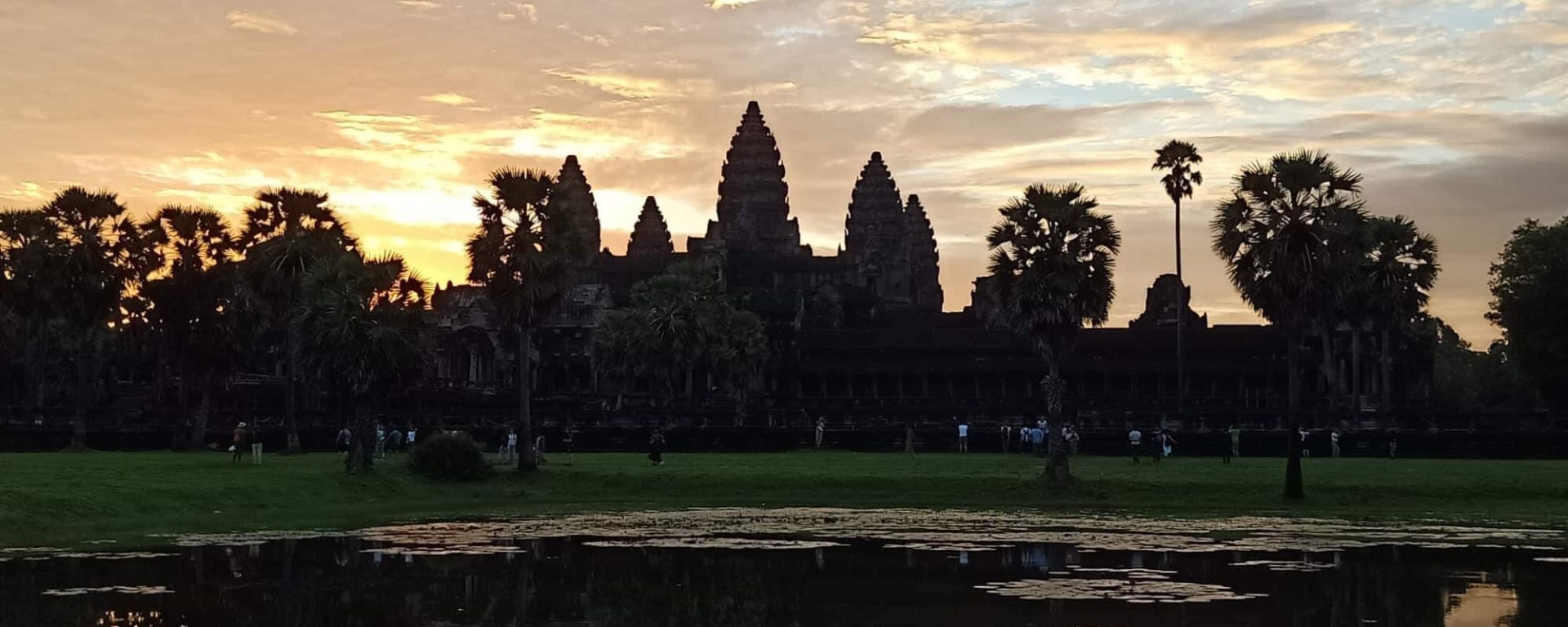
History is full of civilizations that seem to vanish.
Cities fall silent.
Temples are abandoned.
Roads disappear beneath sand, jungle, or stone.
Names once spoken with power fade into fragments on pottery, inscriptions, and ruined walls.
But people rarely disappear as neatly as legends suggest.
Some civilizations collapsed. Some migrated. Some were absorbed into larger empires. Some adapted to new environments. And some were never truly “lost” at all, only forgotten or misunderstood by the outside world.
That is what makes lost civilizations so fascinating.
They leave us with ruins, clues, questions, and a reminder that even the most impressive societies are not permanent. Power can fade. Trade routes can shift. Climate can change.
Empires can fracture. But traces remain.
Here are ten civilizations often described as lost or vanished, and what may have really happened to them.
1. The Lost City of Atlantis – Myth or Reality?
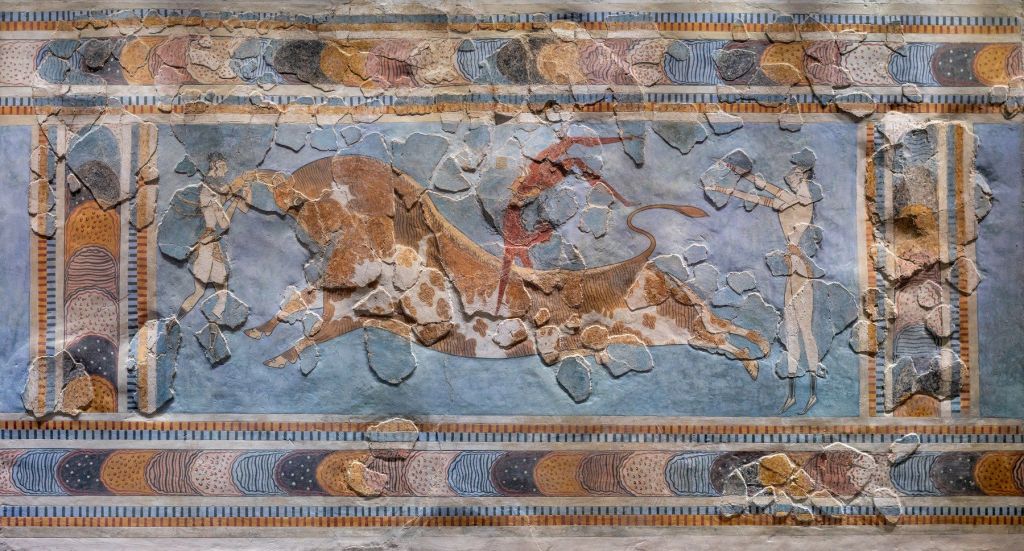
Few lost civilizations are more famous than Atlantis.
According to the ancient Greek philosopher Plato, Atlantis was a powerful island civilization that existed far beyond the Pillars of Hercules, often understood as the Strait of Gibraltar. In his dialogues Timaeus and Critias, Plato described Atlantis as wealthy, advanced, and eventually destroyed after becoming morally corrupt and overreaching in its power.
It is a dramatic story.
A great civilization.
A sudden catastrophe.
A city swallowed by the sea.
But Atlantis is different from the other civilizations on this list because we have no confirmed archaeological evidence that it existed as a real place.
Its main source is Plato, and many scholars understand it as a philosophical or political story rather than a historical record. Britannica identifies Atlantis as a legendary island whose principal sources are Plato’s Timaeus and Critias.
That does not make Atlantis unimportant.
In fact, the mystery may be so enduring precisely because it sits between myth and possibility. Some researchers and writers have wondered whether real disasters, such as volcanic eruptions, earthquakes, tsunamis, or the fall of Bronze Age societies, may have influenced the legend.
But for now, Atlantis remains a story more than a proven civilization.
And perhaps that is why it still refuses to sink completely.
2. The Maya Civilization – A Great Empire That Collapsed
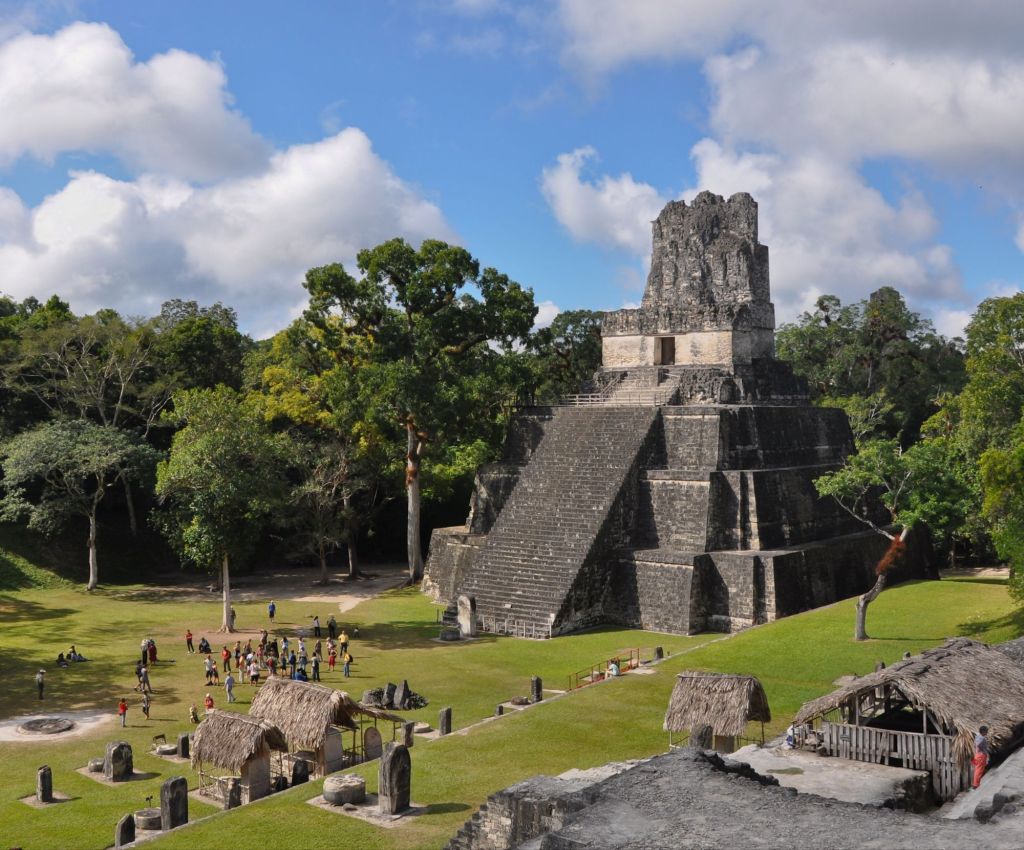
The Maya are often described as a civilization that mysteriously vanished.
But that is not quite right.
The Maya did not disappear.
Millions of Maya people still live today, carrying forward languages, traditions, identities, and cultural memory. What declined was not “the Maya people,” but many of the great Classic Maya city-states in the southern lowlands.
Between roughly the 8th and 10th centuries CE, major centres such as Tikal, Copán, Palenque, and others experienced political disruption, population decline, reduced monument building, and abandonment or transformation.
Why did this happen?
There was probably no single cause.
Scholars have pointed to drought, environmental stress, warfare, political instability, trade disruption, and pressure on agricultural systems. Some cities declined while others survived or rose elsewhere. Maya civilization continued in different forms, especially in the northern Yucatán and highland regions.
That makes the Maya story more interesting than a simple disappearance.
It is not the story of a people vanishing.
It is the story of powerful cities failing while a civilization endured.
3. The Ancestral Puebloans (Anasazi) – Desert Cities Left Abandoned
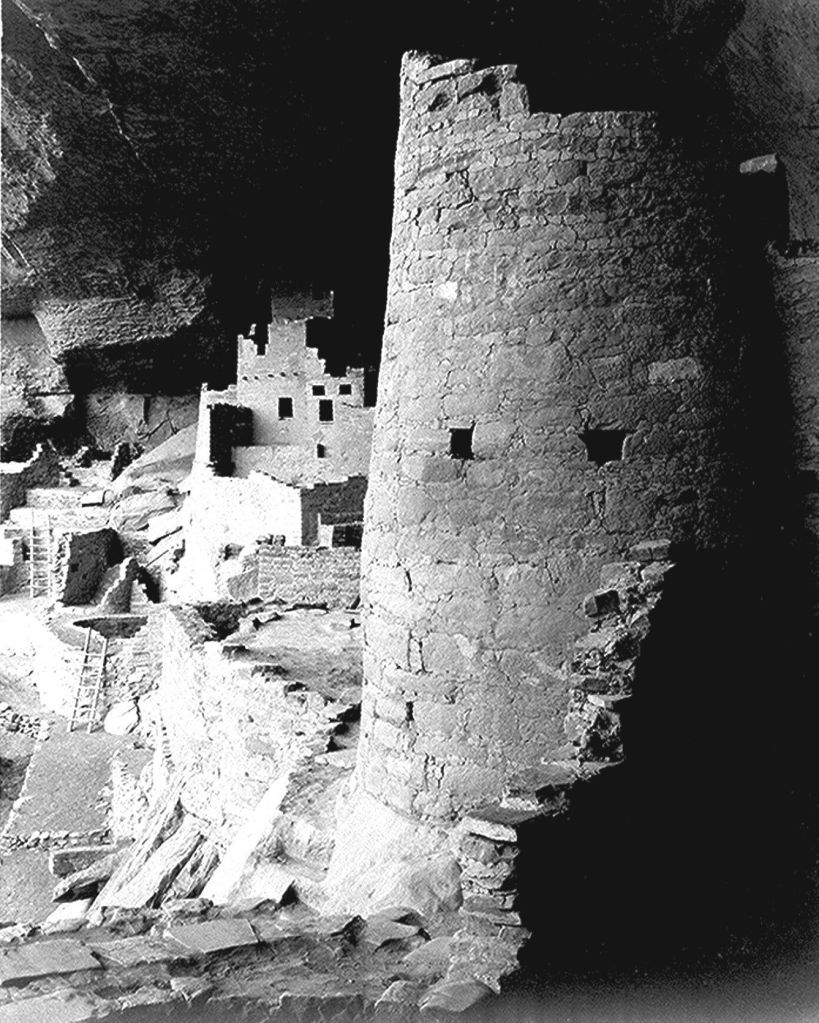
In the cliffs and canyons of the American Southwest, the Ancestral Pueblo people built remarkable communities of stone, earth, and skill.
Places such as Mesa Verde and Chaco Canyon still reveal their architectural brilliance. Cliff dwellings, great houses, kivas, roads, plazas, and ceremonial spaces show a society that understood both landscape and community deeply.
For many years, these people were commonly called the Anasazi, but that term is now often avoided. The National Park Service notes that “Ancestral Pueblo people” better reflects their modern descendants, and many Pueblo communities prefer that language.
So what happened?
By the late 1200s CE, many communities in the Four Corners region were abandoned. Drought, resource pressure, social tension, changing rainfall patterns, and migration likely all played a role.
But again, abandonment does not mean disappearance.
The descendants of Ancestral Pueblo people live on in modern Pueblo communities. Their ancestors did not vanish into the desert. They moved, adapted, and continued their story elsewhere.
The mystery is not whether they disappeared.
It is why they left such extraordinary places behind.
4. The Indus Valley Civilization – A Sophisticated Society That Disappeared
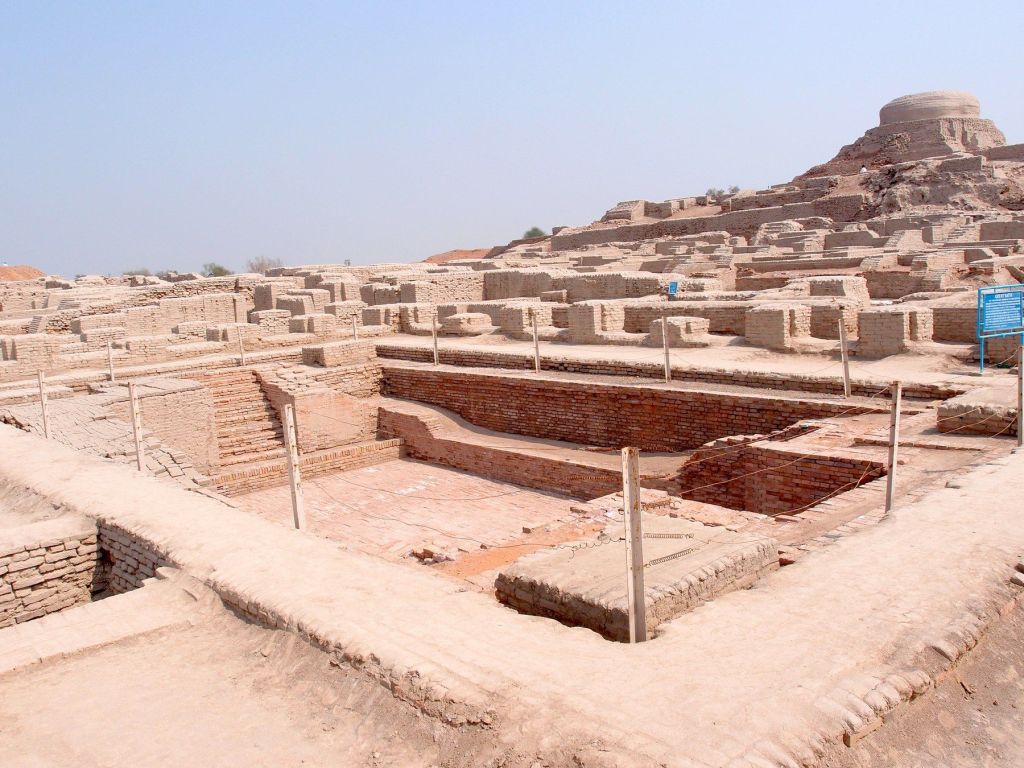
The Indus Valley Civilization, also called the Harappan Civilization, was one of the great urban cultures of the ancient world.
It flourished in parts of what are now Pakistan and northwest India, with cities such as Harappa and Mohenjo-daro. These cities had planned streets, drainage systems, craft production, trade networks, and impressive urban organization.
And yet, by the middle of the 2nd millennium BCE, many of its major urban centres were in decline.
For a long time, people imagined a dramatic invasion or sudden destruction. Today, the picture is more cautious and complex.
Britannica notes that how the Indus civilization ended remains unclear, and that its decline was probably not uniform. Recent research has also emphasized climate stress, changing monsoon patterns, drought, river shifts, migration, and adaptation rather than a single dramatic collapse.
The Indus people may have moved away from large cities and reorganized into smaller rural communities.
Their writing system remains undeciphered, which keeps part of their world closed to us. We can see their streets, seals, weights, pottery, and ruins, but we cannot yet fully hear their own words.
That silence is part of the mystery.
5. The Nabateans – The People Behind Petra
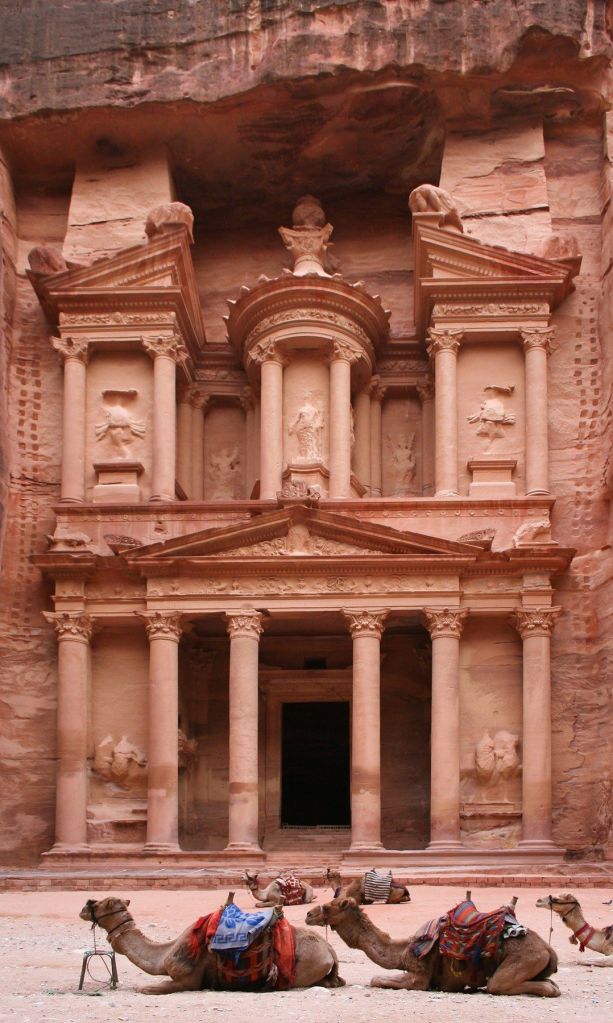
The Nabateans were the builders of Petra, one of the most extraordinary ancient cities in the world.
Carved into rose-coloured rock in present-day Jordan, Petra was not merely a beautiful city. It was a trade hub, a desert stronghold, and a masterpiece of water management and architecture.
The Nabateans grew wealthy through caravan trade, connecting Arabia, Egypt, Syria-Phoenicia, and the Mediterranean world. UNESCO describes Petra as a Nabataean caravan city situated between the Red Sea and the Dead Sea, an important crossroads between Arabia, Egypt, and Syria-Phoenicia.
So, did the Nabateans vanish?
Not exactly.
In 106 CE, the Nabataean kingdom was annexed by Rome. Petra continued for a time, but changing trade routes, earthquakes, and shifting political importance gradually reduced its power. Britannica notes that after Roman control, Petra continued to flourish for a period, but changing trade routes caused gradual commercial decline.
The Nabateans were not erased in a single moment.
Their kingdom was absorbed.
Their language, culture, and identity changed over time.
Petra remained, but the world that made Petra powerful slowly moved on.
6. The Cahokia Civilization – America’s Forgotten Megacity
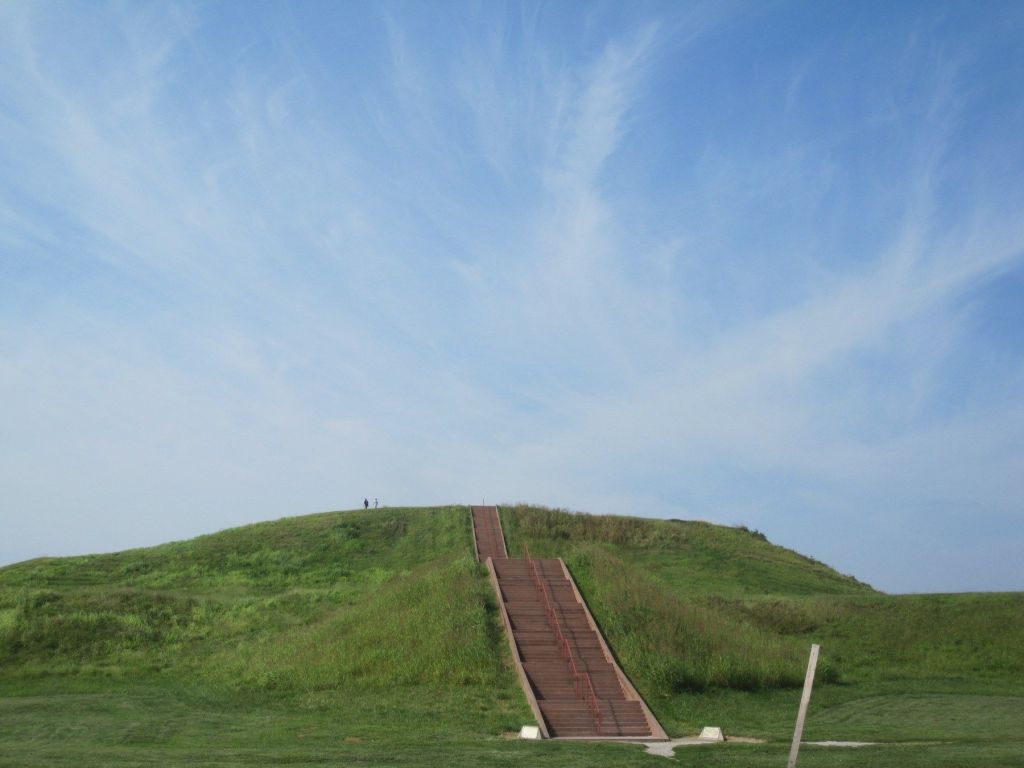
Near modern St. Louis, the city of Cahokia once rose from the Mississippi floodplain.
At its height, Cahokia was one of the largest urban centres in pre-Columbian North America. It was part of the broader Mississippian culture and featured enormous earthen mounds, plazas, neighbourhoods, ceremonial areas, and long-distance connections.
The largest mound, Monks Mound, still dominates the site.
Cahokia flourished for centuries, but by around the 14th century CE, the city had declined and was largely abandoned. Britannica notes that
Cahokia flourished from about 950 to 1350 CE and may have reached a peak population as high as 20,000.
Why did it decline?
Possible factors include flooding, drought, political instability, social tension, environmental stress, resource pressure, and changes in regional networks. But the evidence does not support a simple story.
Recent research has also challenged the idea that Native presence in the region simply ended with Cahokia. UC Berkeley reported that Mississippian decline did not mark the end of Native American presence in the Cahokia region, but reflected a more complex pattern of migration, warfare, ecological change, and continuity.
Cahokia did not disappear because its people were imaginary.
It became a reminder that North America had powerful urban centres long before European arrival.
7. The Khmer Empire – The Builders of Angkor Wat
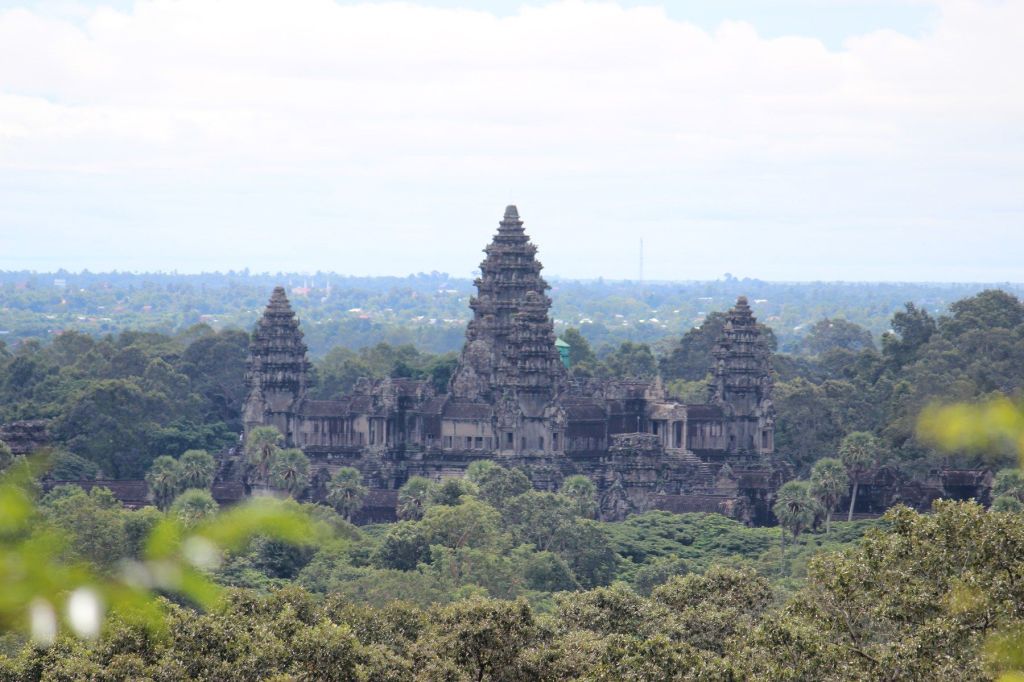
The Khmer Empire created one of the most impressive urban landscapes in the world: Angkor.
Its temples, reservoirs, roads, canals, and religious monuments reveal a civilization of enormous ambition and technical skill. Angkor Wat, the most famous monument, still stands as one of the world’s great architectural achievements.
But Angkor was more than a temple complex.
It was part of a vast urban and hydraulic landscape.
Between the 14th and 15th centuries CE, Angkor’s political importance declined. Environmental stress, shifting water systems, conflict, religious change, trade shifts, and political movement toward other centres may all have contributed.
Older accounts sometimes say Angkor was “rediscovered” by Europeans in the 19th century.
That wording is misleading.
Local people knew Angkor existed. It was never truly lost to Cambodia. What changed in the 19th century was that it became widely known to European audiences and eventually to the wider world through colonial-era exploration, documentation, and tourism.
The Khmer Empire changed.
Angkor declined as a capital.
But Cambodia did not vanish, and neither did Khmer culture.
The ruins remained, not as proof of disappearance, but as proof of transformation.
8. The Vikings of Greenland – A Settlement That Vanished
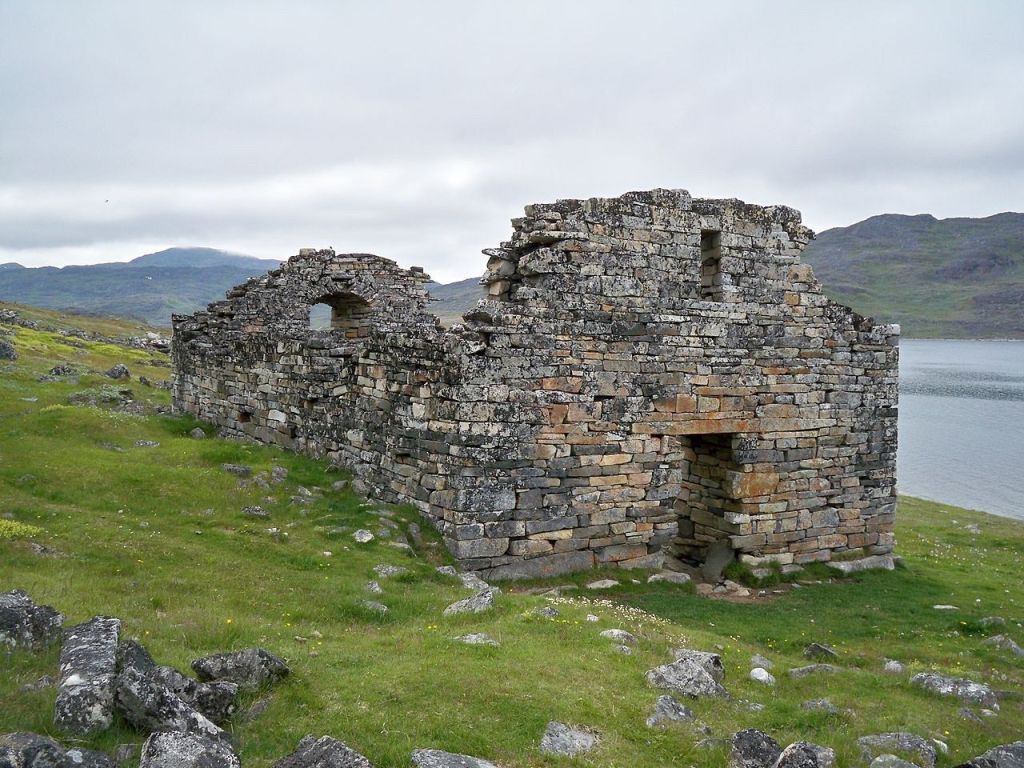
In the late 10th century CE, Norse settlers established communities in Greenland.
For centuries, they farmed, traded, built churches, raised animals, and maintained contact with Europe. The ruins of places such as Hvalsey Church still stand as reminders of that long, difficult experiment at the edge of the Norse world.
But by the 15th century CE, the Norse settlements had ceased to be inhabited.
Why?
There is no single answer.
Climate cooling during the Little Ice Age may have made farming harder.
Trade with Europe weakened. Sea ice may have complicated travel. Economic demand for Greenland’s exports, such as walrus ivory, changed. The Norse also lived alongside an expanding Inuit world, and relationships between the groups remain debated.
Britannica notes that Norse settlements declined in the 14th century, perhaps partly due to cooling climate, and were no longer inhabited by the 15th century.
What makes this story haunting is the silence.
The last Norse Greenlanders left few written records explaining their final years.
They may have died, migrated, intermarried, or gradually abandoned the settlements.
What remains is a cold landscape of stone ruins and unanswered questions.
9. The Easter Island Civilization (Rapa Nui) – The Mystery of the Moai
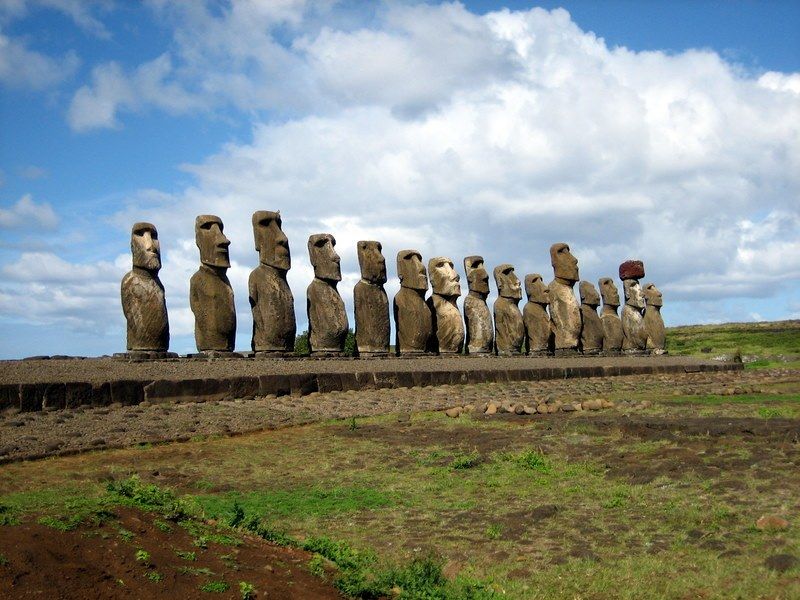
Rapa Nui, also known as Easter Island, is famous for its monumental moai statues.
For many years, the island was presented as a cautionary tale of total ecological collapse. The simplified version claimed that the Rapa Nui people destroyed their environment, collapsed into chaos, and caused their own downfall.
Current scholarship is more careful.
Deforestation was real, and environmental change mattered. But the older “ecocide” story is now widely debated and often criticized as too simple. A 2024 Nature study described ancient Rapanui genomes as revealing resilience and explicitly framed the “ecocide” narrative as a theory under challenge.
The later devastation of Rapa Nui was also shaped by European contact, disease, Peruvian slave raids in the 19th century, forced removals, colonial pressure, and population collapse after contact. Those factors cannot be ignored.
So what vanished?
Not the people.
The Rapa Nui people remain.
What changed was their world: their population, political structures, resources, sacred systems, and autonomy were violently disrupted over time.
The moai still stand because they are not just mysteries.
They are witnesses.
10. The Sumerians – The First Known Civilization That Faded Away
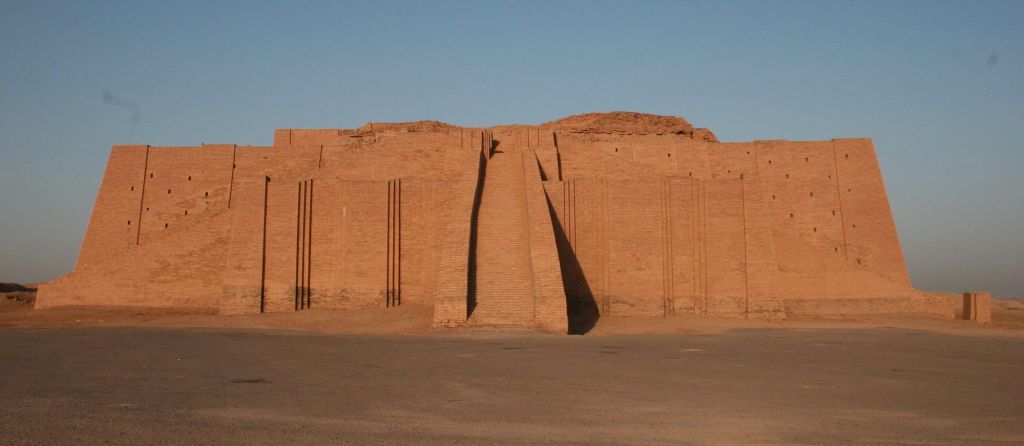
The Sumerians lived in southern Mesopotamia, in what is now Iraq, between the Tigris and Euphrates rivers.
They built some of the world’s earliest cities, including Ur, Uruk, and Eridu.
They developed cuneiform writing, temple economies, city-states, monumental architecture, literature, law, administration, and complex religious traditions.
In many ways, Sumer stands near the beginning of recorded history.
But Sumer did not last forever as a distinct political and cultural identity.
Over time, Sumerian city-states were conquered, reorganized, and absorbed into larger Mesopotamian worlds, including Akkadian, Amorite, Babylonian, and later cultures. The Sumerian language survived for centuries as a learned, religious, and literary language, even after it was no longer spoken as an everyday tongue.
The Sumerians did not vanish in one catastrophe.
They faded into the civilizations that came after them.
Their cities changed hands.
Their language changed roles.
Their ideas lived on.
That may be one of the most powerful forms of survival in history: not remaining unchanged, but shaping everything that follows.
Final Thought
Lost civilizations are rarely as simple as the word “lost” suggests.
Atlantis may never have existed outside Plato’s imagination.
The Maya transformed rather than disappeared.
The Ancestral Pueblo people moved and continued through their descendants.
The Indus Valley cities declined, but their people adapted.
The Nabateans were absorbed into a changing Roman world.
Cahokia was abandoned, but Native life in the region continued.
Angkor declined as a capital, but Khmer culture endured.
The Norse settlements in Greenland faded into silence.
Rapa Nui survived a far more complex history than the old collapse story allowed.
And Sumer became part of the foundation on which later Mesopotamian civilizations built.
That is the real lesson.
Civilizations do not always vanish.
Sometimes they fracture.
Sometimes they migrate.
Sometimes they are conquered.
Sometimes they are misunderstood.
And sometimes they survive in descendants, languages, landscapes, ruins, and memories that later generations have to learn how to read.
And now it’s your turn.
Which of these lost civilizations fascinates you most, and do you think any of them truly vanished?
Share your thoughts in the comments, and follow The Time Traveller’s Diary for more strange discoveries, historical anomalies, and forgotten clues from the past.
Discover more from The Time Traveller's Diary
Subscribe to get the latest posts sent to your email.
