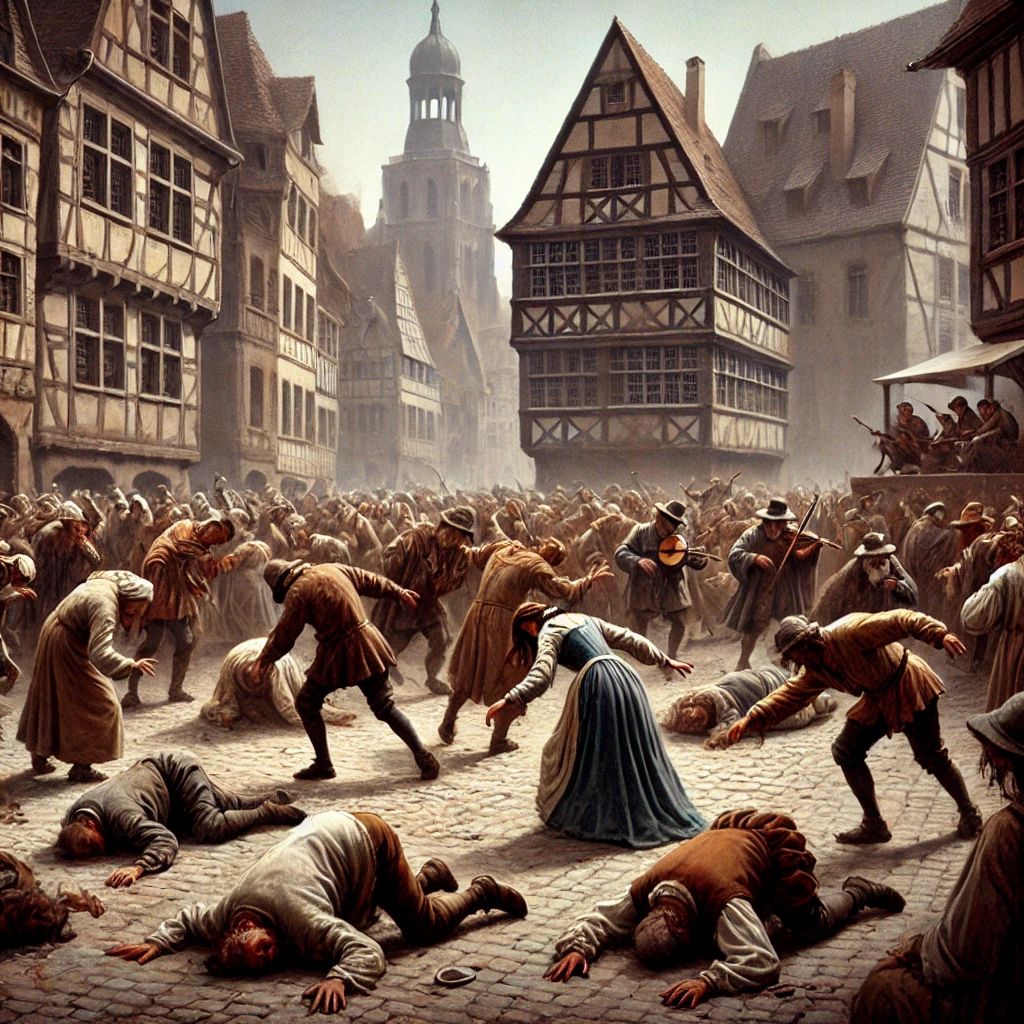
In the summer of 1518, a bizarre and terrifying event unfolded in Strasbourg, France. Without warning, a woman named Frau Troffea stepped into the street and began dancing uncontrollably. She did not stop for days. Soon, dozens of others joined her, and within weeks, over 400 people were trapped in a frenzied, unstoppable dance.
Some collapsed from exhaustion, others suffered strokes or heart attacks, and reports claim that some danced until they died. But what caused this strange, deadly phenomenon? Was it a case of mass hysteria, poisoned food, or something supernatural?
Let’s explore one of history’s strangest medical mysteries—the Dancing Plague of 1518.
The Strange Events of 1518 – A City in Chaos
The outbreak began in July 1518, when Frau Troffea started dancing in the streets of Strasbourg. At first, people laughed it off as an oddity. But she could not stop.
After a few days, around 30 people had joined her, all seemingly trapped in an uncontrollable dance.
By August, the number had grown to over 400.
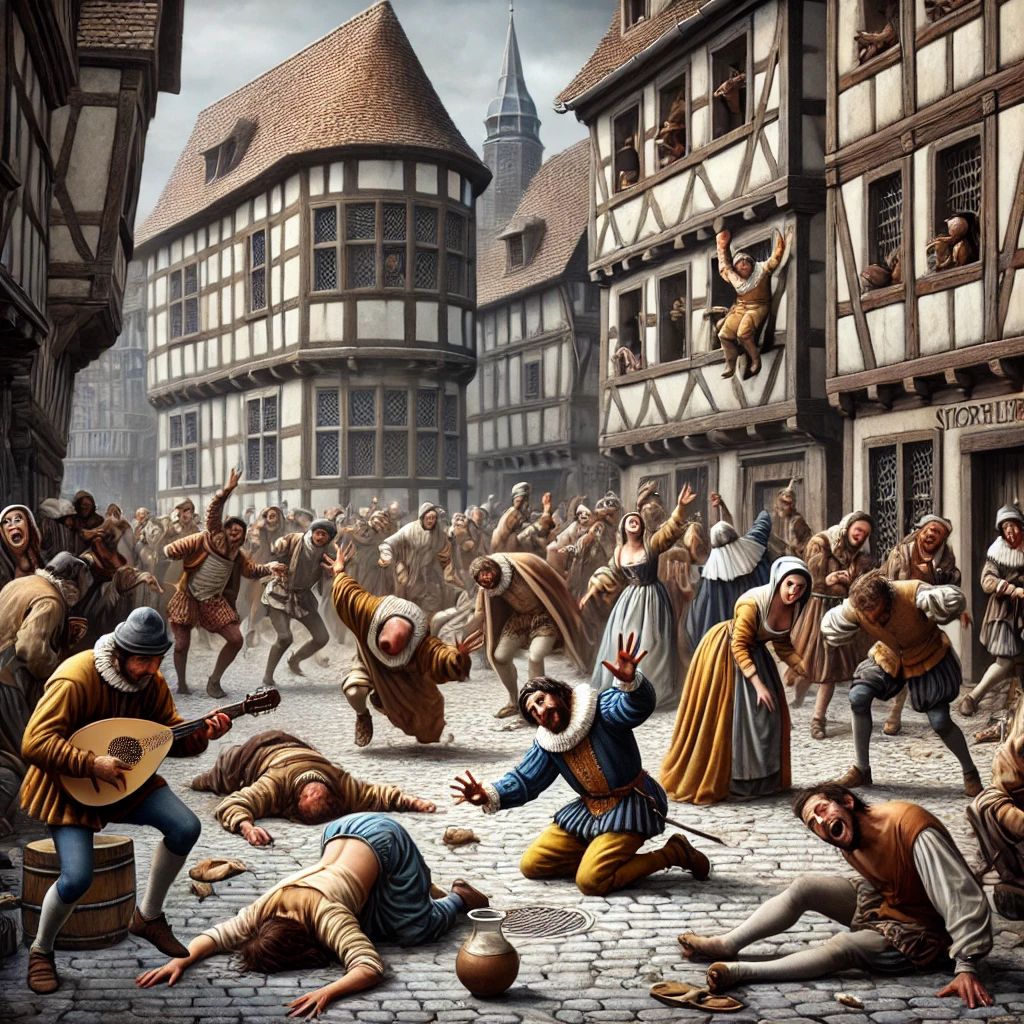
Many collapsed from exhaustion, while others kept moving despite bleeding feet and sheer fatigue.
Some even died on the spot, unable to stop their movements.
City leaders, believing that the dancers were suffering from a spiritual affliction, hired musicians to play for them—hoping they could “dance the sickness away.” Instead, it made things worse, and even more people became afflicted.
By September, the epidemic vanished as suddenly as it had begun. The streets fell silent. But the mystery remained: What caused the Dancing Plague?
Theories & Explanations – What Really Happened?
For centuries, historians and scientists have debated what caused this deadly dancing mania. Here are the most well-known theories:
1. Mass Hysteria (Psychogenic Illness)
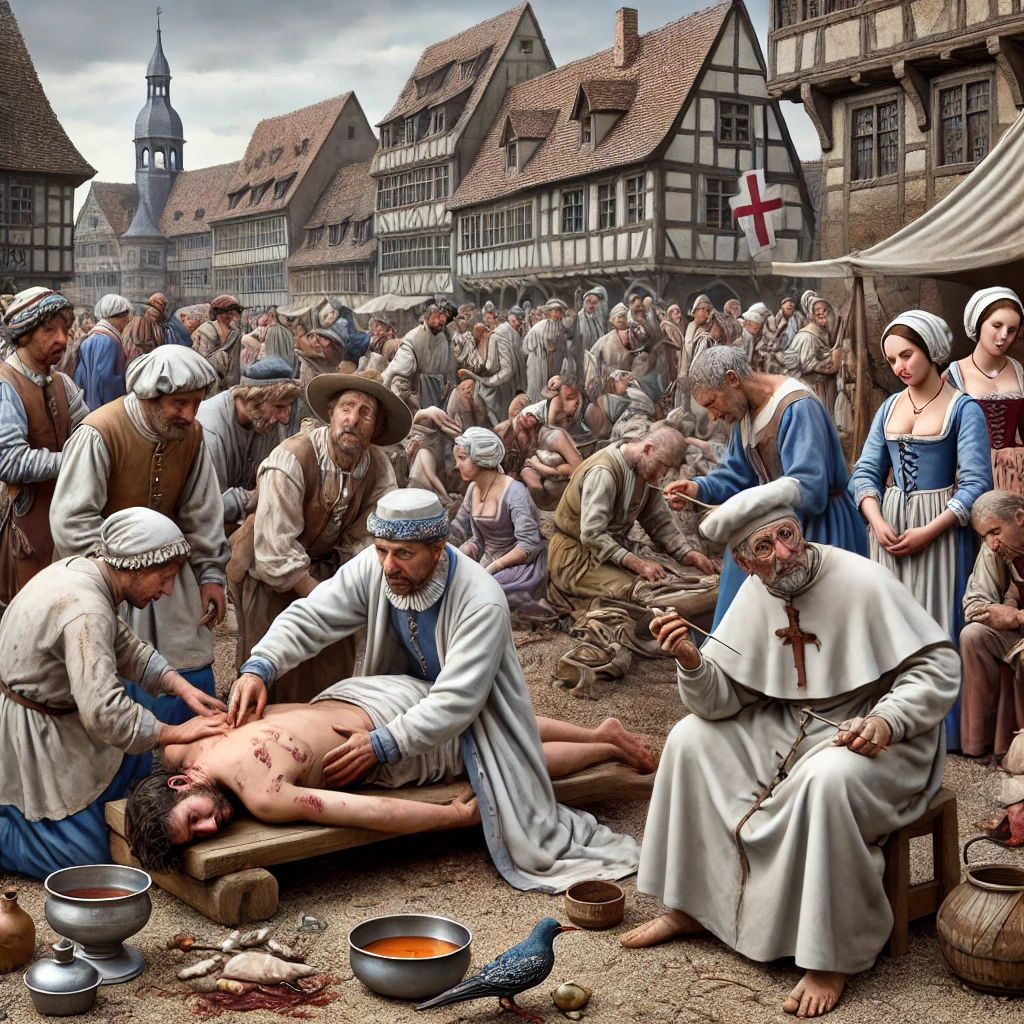
Many believe the event was a case of mass psychogenic illness, where extreme stress and fear cause physical symptoms in groups of people.
1518 was a time of famine, disease, and hardship—people were under extreme psychological stress.
Similar events occurred throughout history, including the “laughing epidemic” of 1962 in Tanzania.
2. Ergot Poisoning (“Bad Bread” Theory)
Some researchers suggest that contaminated rye bread infected with ergot fungus (a natural hallucinogen related to LSD) caused hallucinations and involuntary movements.
However, ergot poisoning usually causes muscle contractions and gangrene, not coordinated dancing—so many dismiss this theory.
3. Religious or Supernatural Curse
Some believed the dancers were cursed by St. Vitus, the patron saint of dance, for their sins.
In medieval times, “St. Vitus’ Dance” was a term used for seizures and convulsions, making this theory plausible to people at the time.
4. A Secret Cult Ritual?
A fringe theory suggests the event was not an illness, but a planned religious ritual that got out of control.
However, there is no historical evidence supporting this claim.
Could the Dancing Plague Happen Again?
Strangely enough, similar events have occurred in modern times, though not as extreme:
1962: The Tanganyika Laughter Epidemic – Over 1,000 people in Tanzania suffered from uncontrollable laughter for months.
2001: India’s “Monkey Man” Panic – Mass hysteria spread through Delhi, with people claiming to see a mysterious creature attacking them at night.
These cases suggest that under the right psychological and environmental conditions, mass hysteria could happen again—even in modern society.
Conclusion – A Mystery That May Never Be Solved
The Dancing Plague of 1518 remains one of history’s strangest unsolved medical mysteries. Whether caused by stress, poisoned food, or mass hysteria, it serves as a chilling reminder of how the human mind and body can be influenced by unseen forces.
What do you think happened? Was it mass hysteria, a supernatural curse, or something even stranger? Let us know in the comments!
Discover more from The Time Traveller's Diary
Subscribe to get the latest posts sent to your email.
